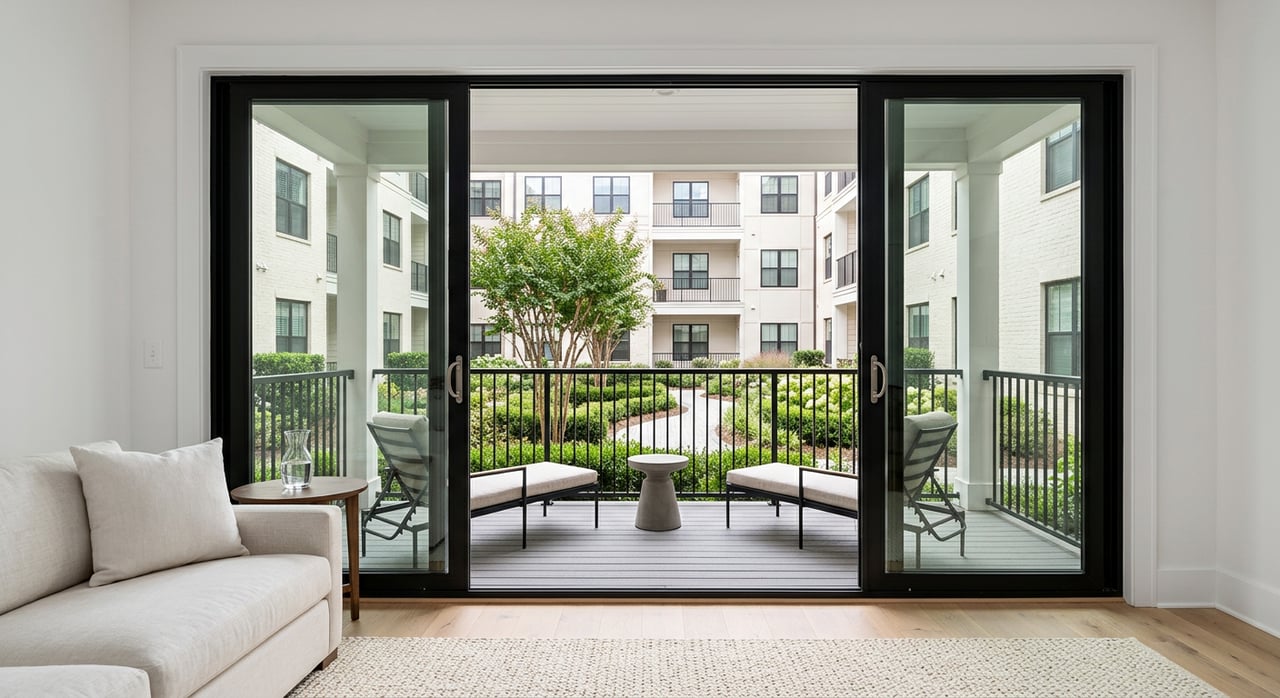
Raleigh Condo vs House vs Townhome: Which Fits You Best?
Not sure if a condo, townhome, or house is the right fit for you in Raleigh? You are not alone. Between HOA rules, maintenance tradeoffs, and financing details, it can feel hard to compare apples to apples. This guide breaks down costs, responsibilities, lending checkpoints, and location tips so you can choose with confidence. Let’s dive in.
Home values remain elevated compared with pre-2020, and the market showed signs of stabilizing in 2025 and early 2026. Zillow’s Raleigh Home Value Index was about 424,900 dollars as of January 31, 2026. Vendor medians differ by dataset and cutoff dates, so always note the source and timeframe when you compare figures. Across home types, single-family homes typically sell at higher medians than townhomes and condos in Raleigh.
A condo usually means you own the interior of your unit and the HOA owns and maintains the exterior and shared areas. You carry an HO-6 policy for your unit and belongings, while the HOA’s master policy insures the building shell and common spaces. That reduces hands-on exterior work, but you are subject to HOA budgets, reserves, and potential special assessments. See a clear overview of HO-6 versus master coverage in this condo insurance explainer.
“Townhome” describes a building style, not one standard ownership type. Some townhomes live like condos with an association covering the exterior. Others are fee-simple, where you own and insure the structure’s exterior and roof. Always confirm the recorded ownership and CC&Rs before you assume what the HOA covers, as noted in the same insurance guide.
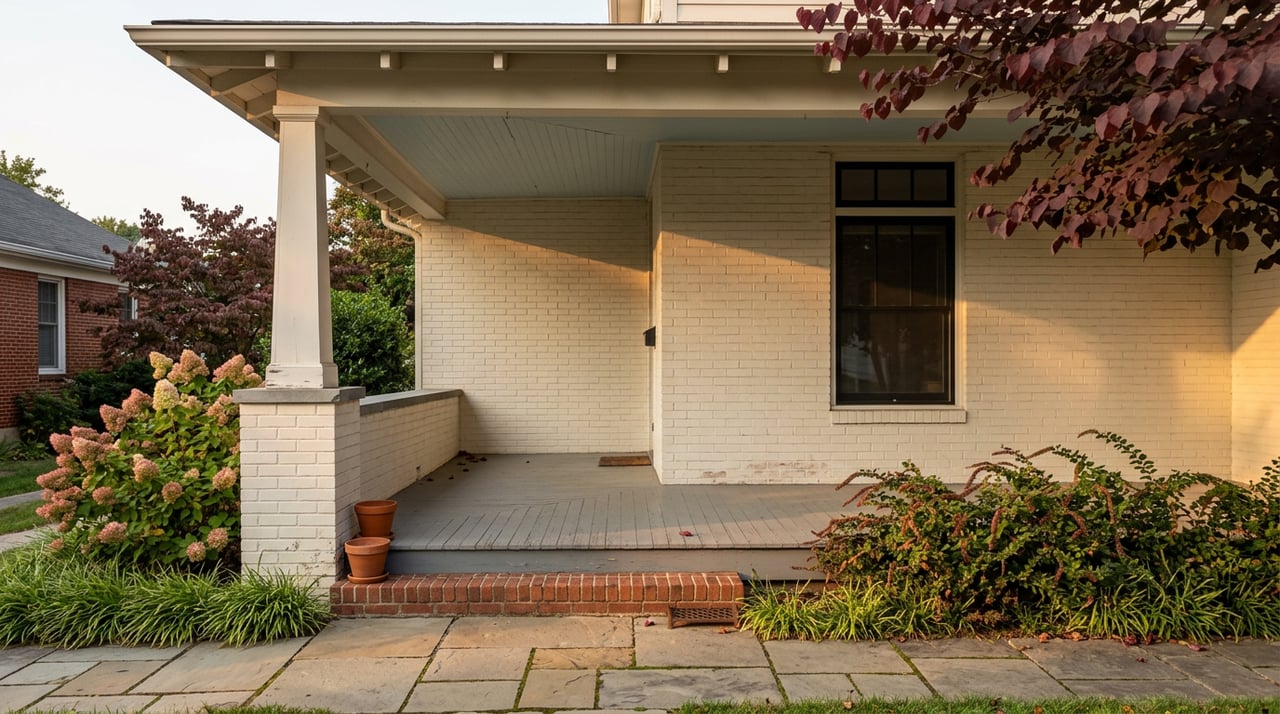
You typically own and maintain the entire structure and lot, including roof, siding, yard, and driveway. You carry a homeowner’s policy such as HO-3 or HO-5 for the structure, contents, and liability. This offers more control over changes and additions but requires a larger maintenance reserve and more planning.
HOA-governed homes are common and growing in many resale markets. A 2025 analysis found about 43.6 percent of U.S. listings carried HOA fees, with a median of roughly 135 dollars per month. Expect a wide range in Raleigh depending on building size and amenities. See the national snapshot in this HOA fees report.
What HOA dues often include:
Coverage varies by association. For insurance placement and budgeting, review the HOA’s master policy and compare it to your unit policy needs using this master policy overview.
Look beyond the mortgage estimate and build a full monthly picture. Your total cost should include:
Local taxes and commute choices affect your bottom line. Wake County’s budget and municipal tax settings can impact carrying costs, so track local updates through WRAL’s county budget coverage.
For a detached house, a simple rule of thumb is to set aside about 1 to 4 percent of the home’s value each year for maintenance and repairs. For a 450,000 dollar home, 1 percent is 4,500 dollars per year as a baseline. Townhomes and condos often reduce direct exterior expenses for owners, but those costs show up in HOA dues instead. Use this rule only as a planning tool and ask sellers for maintenance histories. See the budgeting heuristic here: annual home maintenance cost guide.
Condos: You buy an HO-6 policy for interior finishes, personal property, and liability, often with loss assessment coverage. The HOA’s master policy covers the exterior and common areas, but details vary by declaration. A high master deductible can lead to owner assessments after a claim. Learn how master policy type and deductibles affect you in this condo insurance guide.
Single-family: You buy an HO-3 or HO-5 policy that covers the entire structure plus contents and liability. Premiums depend on factors like home age, materials, and location.
Condos add a project-level review step for many loans. Conventional lenders often determine if a community is “warrantable” under Fannie Mae or Freddie Mac standards. Lenders use tools like Fannie Mae’s Condo Project Manager and criteria from Fannie’s project standards guide to evaluate eligibility.
FHA loans: FHA will lend on FHA-approved projects or via single-unit approval in some cases. The process tests occupancy, delinquencies, reserves, and more, which can add time. Review the basics in this FHA condo approval overview.
VA loans: VA typically requires full project approval, so confirm early.
Practical tip: If a project is not warrantable or lacks FHA/VA approval, you may need a larger down payment or portfolio loan. For a field-level view on lender requirements, see this warrantability checklist insight.
The mean travel time to work in Wake County is about 25.3 minutes based on 2019 to 2023 data. Living closer in usually means a higher price per square foot, but it can save time and transportation costs. See the county snapshot in the Census QuickFacts.
The Triangle’s public transit network is bus-based, with services like GoRaleigh and GoTriangle. Route frequency and span vary by corridor, so if transit matters to you, map the trips you need. For regional planning context, review this public transportation study summary.
Parking and storage also differ by type. Many condos include assigned or deeded spaces, often in structured parking, with visitor rules that can affect guests. Townhomes usually have driveways or garages. Detached homes typically have private drives and more storage for gear, tools, and yard equipment.
These are broad patterns. Always compare specific neighborhoods and recent local sales before you set expectations.
Choose a condo if you want:
Choose a townhome if you want:
Choose a detached house if you want:
Confirm the ownership form. For townhomes, is it fee-simple or a condo regime? The answer sets who insures what and who pays for exterior work. See an overview of how ownership changes coverage in this insurance guide.
Request the resale or estoppel package. Ask for the current budget, reserve study, recent meeting minutes, master insurance declarations, litigation disclosures, and CC&Rs. Fannie Mae lists these as core documents for project reviews in its project standards.
Check HOA financial health. Look at reserves as a percent of the annual budget, delinquency rate, special assessments, and whether a reserve study is current. These factors influence risk and future dues.
Confirm lending eligibility early. Ask whether the project is warrantable and whether FHA or VA approval exists. Your lender will reference Fannie Mae’s Condo Project Manager and may discuss options if the project is not eligible. For FHA specifics, review single-unit approval basics.
Align your insurance. Get the HOA’s master policy declarations and deductible, then have your agent quote an HO-6 with loss assessment coverage if needed. Learn how master deductibles can affect owners in this condo policy explainer.
Test the lifestyle. Visit at rush hour, confirm parking entitlements, and note on-street restrictions. Compare similar resale inventory nearby to understand likely buyer pools when you sell.
For townhomes and houses, request maintenance records. For condos, ask about shared-system warranties and history of water intrusion or system upgrades.
If you want a clear picture of monthly costs, HOA health, lending fit, and resale outlook by neighborhood, our team can help you weigh the tradeoffs side by side. With two decades of Triangle experience and a concierge approach to buying and selling, we make the process feel simple. Start a conversation with Quin Realty Group to map the right Raleigh option for your life and budget.
Real Estate


Real Estate


Real Estate

With over 20 years of real estate experience in the Triangle area of NC, Quin Realty Group will give you a full-service experience in purchasing or selling your home! Consider us your personal home concierge!
201 FENTON GATEWAY DR CARY NC 27511