Thinking about selling your Cary home and wondering how long it really takes? You are not alone. The Triangle market moves quickly, but timing still comes down to smart prep, strong presentation, and understanding North Carolina’s due diligence process. In this guide, you will get a clear, step-by-step timeline, realistic vendor lead times, and the must-know NC rules that shape your schedule. Let’s dive in.
Cary market timing today
Cary sits in a mid to upper price band within the Triangle, and micro-location still matters. Proximity to employment nodes like Apple’s RTP campus influences demand patterns in different parts of Cary and nearby Morrisville. If you are pricing, use neighborhood-level comps instead of county-wide averages, and plan to launch with strong presentation to earn early momentum. For local context, see how major employers can affect home values in the area in this overview of the Apple RTP impact on Cary and Morrisville.
The first two weeks after you go live often bring the most eyes. Staging and professional photography help your home stand out so buyers prioritize it early. Research from NAR shows that staging helps buyers visualize a property and can shorten time on market. You can explore those findings in the NAR Profile of Home Staging.
Two paths to launch
You can sell well with either of these timelines. Choose the path that fits your goals and calendar.
Quick launch: 2–3 weeks pre-list, then 30–45 days to close
- Focus on decluttering, deep cleaning, minor touch-ups, light staging, and pro photos.
- Ideal if you value speed and your home is already in solid condition.
- Typical financed closing runs about 30 to 45 days after you accept an offer, depending on underwriting and appraisal. See more on timing in this NC overview of how long it takes to close.
Full prep: 6–12 weeks pre-list, then 30–45 days to close
- Add targeted repairs and cosmetic upgrades that increase appeal, then stage fully.
- Great if you want to maximize net proceeds and can invest time in presentation.
- Your agent can help you prioritize repairs with the best return for your submarket.
Step-by-step selling timeline
The phases below reflect common durations in Cary and wider Wake County. Your specifics may vary based on your home, price band, and buyer financing.
Phase 1: Pre-list planning and prep (1–8+ weeks)
- Strategy and pricing: Meet your agent, walk the home, and review a pricing plan built from local comps. Set your target list date and work backward.
- Scope your prep: Decide between quick cosmetic fixes or moderate upgrades. Book vendors early, especially for HVAC, roofing, or plumbing.
- Optional pre-list inspection: Many sellers order a pre-listing inspection to surface issues early and reduce renegotiation risk. Inspectors typically deliver reports within a few days. Learn what to expect in this home inspection guide.
- Disclosures: Complete North Carolina’s Residential Property and Owners’ Association Disclosure early. You can review the state form guidance from the Department of Insurance here. If your home was built before 1978, prepare the required federal lead-based paint disclosure.
Phase 2: Staging, photography, and listing launch (1–2 weeks)
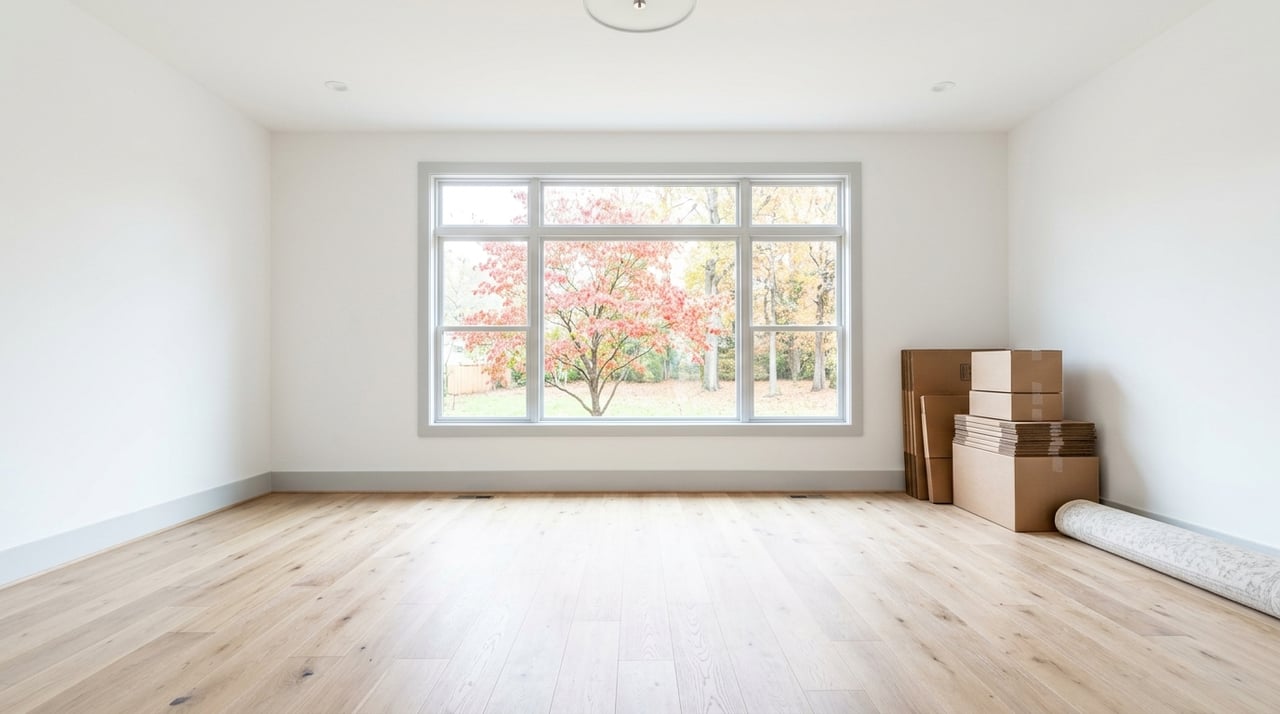
- Staging: Book a stager 1 to 3 weeks ahead. Staging typically installs in a day and has a measurable impact on buyer perception, according to NAR’s research on home staging.
- Photography and media: Schedule photos, 3D, and video 3 to 10 days ahead. Edited images usually arrive within 24 to 48 hours. See typical media timelines from a professional provider’s FAQ.
- Go live with a plan: Launch when the property is show-ready and all marketing is in place. Many sellers aim for a weekday launch to capture weekend traffic.
Phase 3: Showings, open houses, and offer intake (0–21 days)
- Expect the most showings in the first 7 to 14 days if you are priced right and fully prepared.
- In North Carolina, offers are structured around a Due Diligence Fee, a Due Diligence Period, Earnest Money, and your closing date. Review the standard Offer to Purchase (Form 2-T) to understand how these terms work in practice. You can see the form details here.
- Evaluate the entire package, not just price. A larger Due Diligence Fee and a shorter DD period generally increase certainty for you as the seller.
Phase 4: Under contract to closing (30–45 days for financed buyers; faster for cash)
- Due diligence period: Commonly 7 to 14 days, negotiated between the parties. During this window, buyers schedule inspections and may request repairs or credits. Read about inspection timing and reports in this inspection overview.
- Appraisal and loan: Lender processes typically take several weeks. In North Carolina, financed purchases often close within 30 to 45 days when files move smoothly. See a statewide perspective on closing timelines.
- Closing attorney coordination: A North Carolina closing attorney manages title work, documents, payoffs, and recording. Learn why this role matters in this closing attorney explainer.
Phase 5: Final week and settlement (0–7 days before closing)
- Walkthrough: Buyer verifies condition and that any agreed repairs are complete.
- Sign and record: You will sign at the attorney’s office. At recording, North Carolina collects a state excise tax of $1 per $500 of the sale price. You can reference the statute here.
- Possession: Keys usually transfer at closing unless you and the buyer agree to different written arrangements. Keep utilities on through possession and schedule final readings 24 to 48 hours before closing.
North Carolina rules that shape your schedule
- Required disclosures: Complete the state Residential Property and Owners’ Association Disclosure early to avoid delays. Guidance is available from the NC Department of Insurance here. If your home was built before 1978, provide the federal lead-based paint pamphlet and disclosure.
- Due diligence mechanics: North Carolina’s Offer to Purchase (Form 2-T) includes a negotiated Due Diligence Fee and a Due Diligence Period, plus Earnest Money that is held in escrow. Sellers often prefer a larger DD fee and shorter DD period because it increases certainty. Review the form framework here.
- HOA documents: If your property is in an HOA or condo community, order resale documents as early as allowed. Delivery times vary by association, and early ordering reduces last-minute risk.
- Attorney-driven closings: A licensed attorney typically conducts settlement in North Carolina, coordinates title work and payoffs, and records your deed. See a breakdown of that process here.
- State excise tax: Plan for the North Carolina excise tax at 0.2 percent of the sale price at recording. See the statute text here.
Vendor lead times in Cary
Book early to keep your list date on track. Typical ranges in the Triangle are:
- General contractor or repair work: 1 to 8+ weeks depending on scope and vendor schedules.
- Professional stager: Book 1 to 3+ weeks ahead; install often completes in one day.
- Photographer and 3D: Book 3 to 10 days ahead; edited photos in 24 to 48 hours. See a sample timeline in this media provider FAQ.
- Home inspector: After you accept an offer, most inspectors can be on site within 3 to 7 days, with reports in 24 to 72 hours. More on timing in this inspection guide.
- Closing attorney: Coordinate early. Title searches and payoff demands can take 1 to 2+ weeks, especially if curative work is needed. Learn why the attorney’s role is pivotal here.
Your week-by-week checklist
Use this as a quick planning tool. Your agent can tailor it to your property and goals.
2–8 weeks before listing
- Set goals and a target list date, then build your calendar backward.
- Complete NC disclosure forms and gather HOA info if applicable.
- Decide on repairs and updates; book trusted contractors early.
- Consider a pre-list inspection to reduce surprises.
- Schedule staging and photography; prep curb appeal and interiors.
Listing week
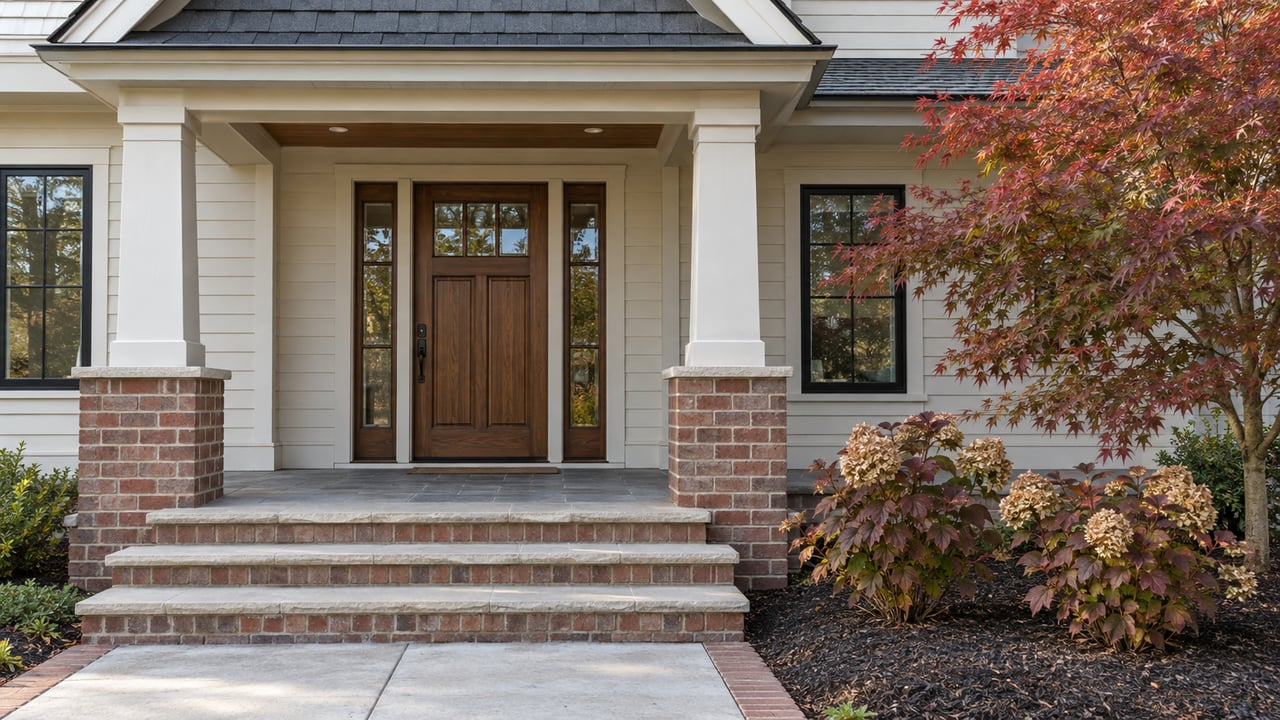
- Install staging, final clean, yard tidy, and window shine.
- Shoot photography, 3D, and video; approve the listing copy.
- Confirm showing rules, lockbox placement, and open house plans.
- Choose your launch day and be ready for weekend traffic.
Under contract
- Track the Due Diligence Period and deposit deadlines.
- Approve inspection access quickly; respond to repair requests promptly.
- Order HOA resale documents immediately if required.
- Coordinate with the closing attorney on payoff statements and closing logistics.
Closing week
- Confirm utility transfer timing and final readings.
- Complete any agreed repairs and provide receipts if requested.
- Prepare to sign at the attorney’s office and bring a photo ID.
- Plan your move-out and key handoff for possession at closing.
Where a concierge agent saves you time
A concierge-style listing partner streamlines moving parts so you launch strong and close smoothly. With Quin Realty Group, you get:
- Hands-on prep management: We coordinate vetted contractors and staging so you avoid delays and rework.
- Premium presentation: We manage design, photography, 3D tours, floor plans, and marketing so your listing is complete on day one. NAR research shows staging can shorten time on market. See the NAR staging report.
- Offer strategy tailored to NC forms: We help you weigh price, Due Diligence Fee, Earnest Money, and closing date within the state’s standard contract so you choose with confidence. Review the contract structure here.
- Transaction management: We coordinate HOA packets, appraisal access, repairs, and the closing attorney’s needs to keep your timeline intact.
Ready to plan your Cary sale the smart way? Start with timing, presentation, and the right local partner. If you want a fast, polished launch or a high-ROI full prep, we will map the path that fits your goals.
When you are ready, reach out to Quin Realty Group to request a free home valuation and a step-by-step plan.
FAQs
How long does it take to sell a home in Cary right now?
- Many Cary homes see the most activity in the first 1 to 2 weeks. After you accept an offer, financed closings commonly take 30 to 45 days in North Carolina.
What is the Due Diligence Fee in North Carolina and why does it matter for sellers?
- It is a negotiated, nonrefundable fee paid to you that buys the buyer’s Due Diligence Period. A larger fee and a shorter period usually increase your certainty.
Do I need a pre-listing inspection in Cary?
- It is optional but can help surface repairs early, reduce renegotiations, and speed closing. Many sellers use it to plan cost-effective fixes.
When should I list to capture weekend buyer traffic?
- Many sellers target a weekday launch so the listing is fresh heading into the weekend. Align the date with complete staging and media for best impact.
What seller closing costs should I expect in North Carolina?
- Expect the state excise tax of $1 per $500 of the sale price at recording, plus typical attorney and title fees. Your agent and closing attorney will outline the rest.
How far in advance should I book staging and photography in Cary?
- Book staging 1 to 3+ weeks ahead and photography 3 to 10 days ahead. Edited photos usually arrive within 24 to 48 hours once the shoot is done.