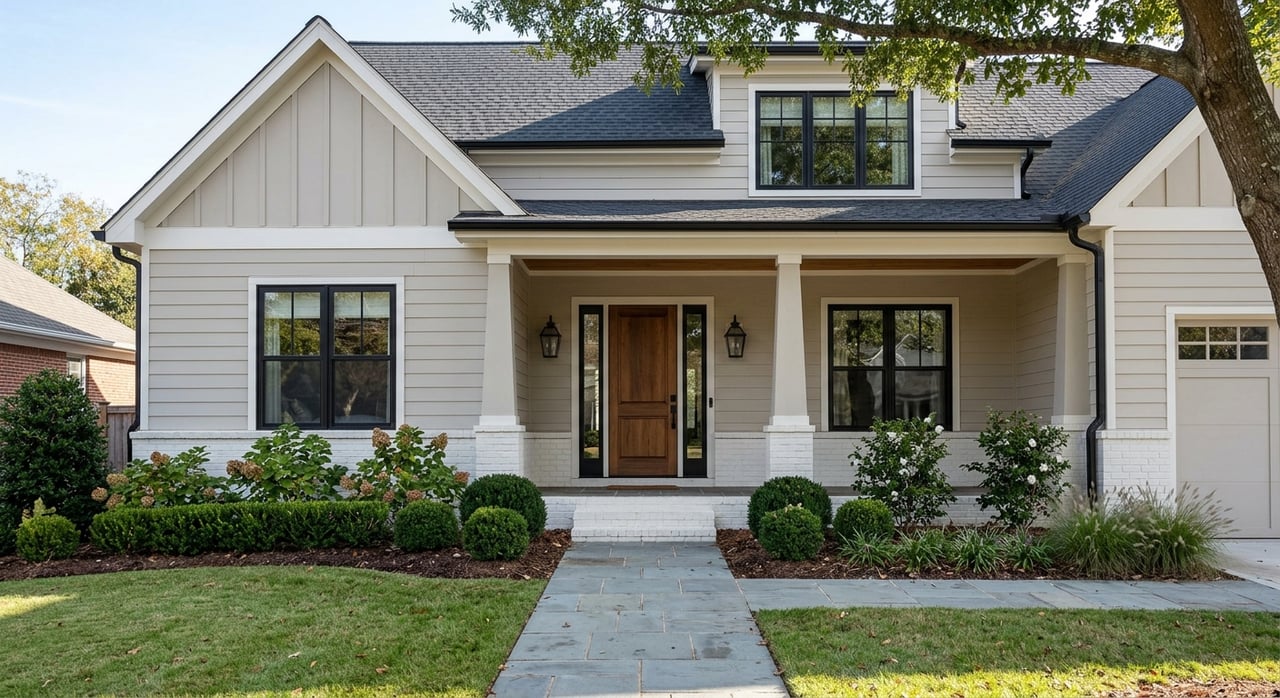
Apex Neighborhood Styles: Historic Streets To New Subdivisions
Wondering how one town can offer both historic streets near a preserved downtown and newer neighborhoods built around parks, trails, and easy regional access? If you are trying to decide where in Apex to focus your home search, that mix can feel exciting and a little overwhelming. The good news is that Apex has a clear pattern once you know what to look for, and understanding those neighborhood styles can help you find the setting that fits your daily life. Let’s dive in.
Apex sits in southwestern Wake County within the Research Triangle, and that location helps explain its variety. The town highlights both its small-town character and its access to major job centers across the region, including Research Triangle Park and nearby cities.
In simple terms, Apex tends to reflect two broad eras of development. You will see a historic railroad-era core around downtown, along with newer growth corridors shaped by parks, greenways, and suburban expansion.
That means your choice in Apex is often about more than square footage alone. You are also choosing between different street patterns, surrounding amenities, and the kind of day-to-day feel you want.
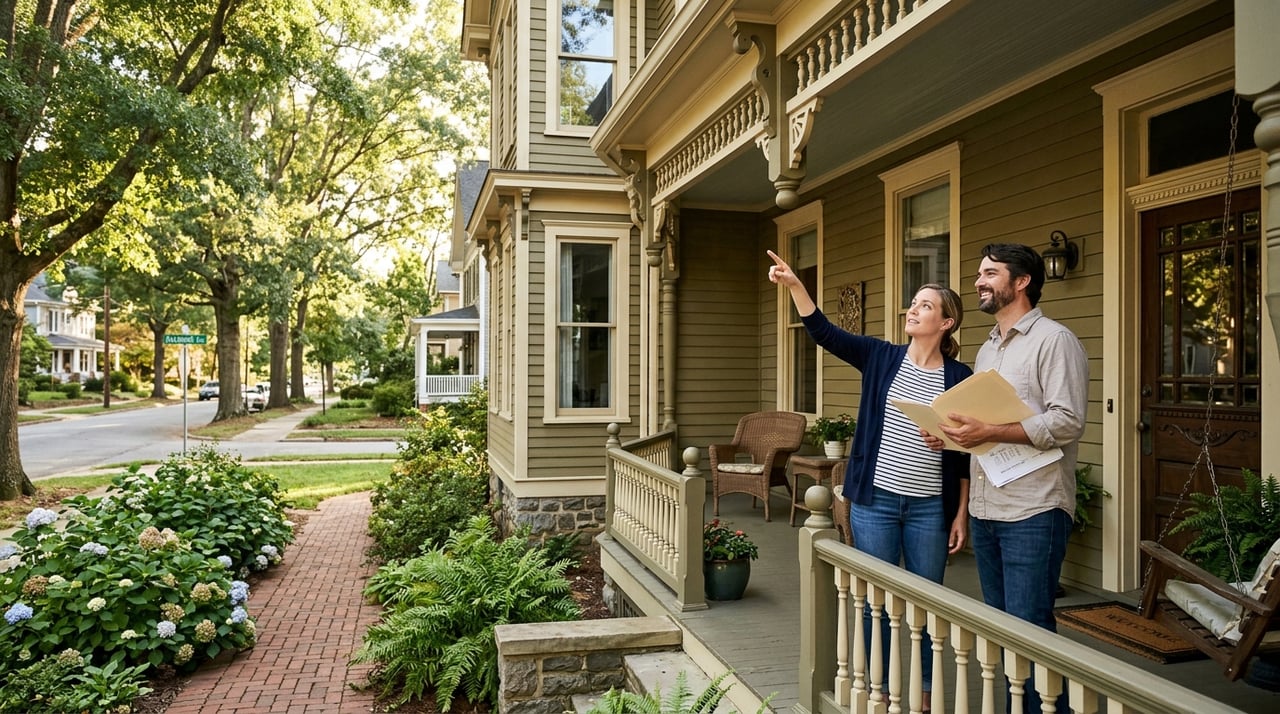
Downtown Apex was officially designated a Historic District in 1994. According to the town, the downtown and surrounding area are among North Carolina’s best examples of an intact turn-of-the-century railroad town, with commercial and residential buildings dating to the late 1800s and a wide variety of architectural styles.
If you are drawn to older neighborhoods, this part of Apex stands apart from a typical subdivision layout. The streets and homes around downtown tend to reflect preservation-focused planning and a smaller-scale town-center feel.
The town also describes Downtown Apex as a vibrant hub with unique businesses, community events, pedestrian-friendly streets, and historic charm. For many buyers, that adds a layer of convenience and character that feels very different from newer master-planned areas.
Part of the difference comes from planning and preservation. Apex created the Small Town Character Overlay District in 2006 to preserve the character of downtown and nearby residential neighborhoods, and that overlay adds design standards for new and infill projects.
That matters if you are comparing older areas with newer construction. In the historic core, change is shaped by standards intended to protect the established look and scale of the area.
You may prefer this style if you want:
This part of Apex can be especially appealing if your priority is atmosphere and proximity to downtown activity. It offers a distinct sense of place that newer neighborhoods usually are not trying to replicate.
If historic streets are one side of Apex, park- and trail-connected subdivisions are the other. The town maintains more than 13 miles of public greenway, with additional greenways planned as future development occurs.
Apex says its greenway system is designed to connect neighborhoods, parks, schools, retail, and employment areas. That makes recreation and connectivity a defining part of many newer neighborhood settings in town.
Instead of centering on a railroad-era downtown pattern, these areas often center on access. You may find that your daily routine is shaped by nearby trails, park facilities, and subdivision connections to surrounding destinations.
The town’s greenway information shows how closely some subdivisions are tied to these corridors. Beaver Creek Greenway connects 11 neighborhoods, 3 parks, 3 schools, and 3 retail and employment centers, with segments in Buckhorn Preserve and Arcadia Ridge/West.
Middle Creek Greenway is planned to connect six neighborhoods, one retail center, and one employment center. The town also says it will create a safe pedestrian route to Lufkin Road Middle School.
Reedy Branch Greenway extends to the American Tobacco Trail and continues west to Deer Creek, with additional segments in Linden, Sweetwater, Huxley, and Smith Farm. For buyers, that helps explain why some newer Apex neighborhoods feel especially connected to outdoor amenities.
Major parks also shape how newer parts of Apex live day to day. Apex Community Park includes 160 acres, trails, and a lake of more than 50 acres.
Apex Nature Park and Seymour Athletic Fields include fields, courts, a dog park, disc golf, and an amphitheater. Jaycee Park adds a cricket pitch, batting cage, and a Beaver Creek Greenway trailhead.
When you tour neighborhoods near these amenities, you are not just evaluating the home itself. You are also evaluating the broader land-use pattern around it and how recreation may fit into your routine.
You may lean toward newer neighborhood styles if you want:
For many buyers, this style works well because it blends neighborhood living with planned amenities. It can also make it easier to compare homes based on features, lot use, and nearby infrastructure.
There is another edge of the Apex market worth knowing about if outdoor recreation is high on your list. Jordan Lake State Recreation Area is in Chatham County, and the Apex-side access is the White Oak Area on White Oak Beach Road in Apex.
Jordan Lake includes access areas for camping, boating, swimming, hiking, fishing, and picnicking. While this is not a separate official neighborhood category, it can be useful to think of some parts of Apex as more lake-oriented based on their relative proximity to the White Oak access point.
If you are lake-minded, this gives you another way to compare locations. Rather than asking only whether a home is in a historic or newer setting, you can also ask how important quicker access to Jordan Lake may be for your weekends and free time.
The best neighborhood style in Apex depends on how you want your home to support your routine. A downtown-adjacent home and a newer subdivision home can both be great choices, but they serve different priorities.
Here are a few practical questions to ask yourself:
Apex’s regional position is part of the appeal. The town notes travel times of about 20 minutes to Research Triangle Park and roughly 25 to 30 minutes to Raleigh, Durham, Chapel Hill, and RDU, so many buyers find that neighborhood choice here is as much about lifestyle and amenities as it is about commuting.
If you are buying in Apex, understanding these neighborhood styles helps you search with more clarity. You can narrow your focus based on the kind of environment you want, instead of looking at every listing the same way.
If you are selling, the same distinction matters for positioning your home. A home near downtown Apex may attract buyers looking for historic character and a town-center feel, while a home in a newer subdivision may stand out for greenway access, park proximity, or connected amenities.
That is why neighborhood context matters so much in Apex. It helps explain not just where a home is located, but how that location may appeal to different buyers.
If you want help narrowing down the right part of Apex for your next move, Quin Realty Group offers a concierge-level approach backed by deep Triangle market knowledge, clear guidance, and personalized support for buyers, sellers, relocators, and investors.
Real Estate

Real Estate
Real Estate
Real Estate
Real Estate
With over 20 years of real estate experience in the Triangle area of NC, Quin Realty Group will give you a full-service experience in purchasing or selling your home! Consider us your personal home concierge!
201 FENTON GATEWAY DR CARY NC 27511