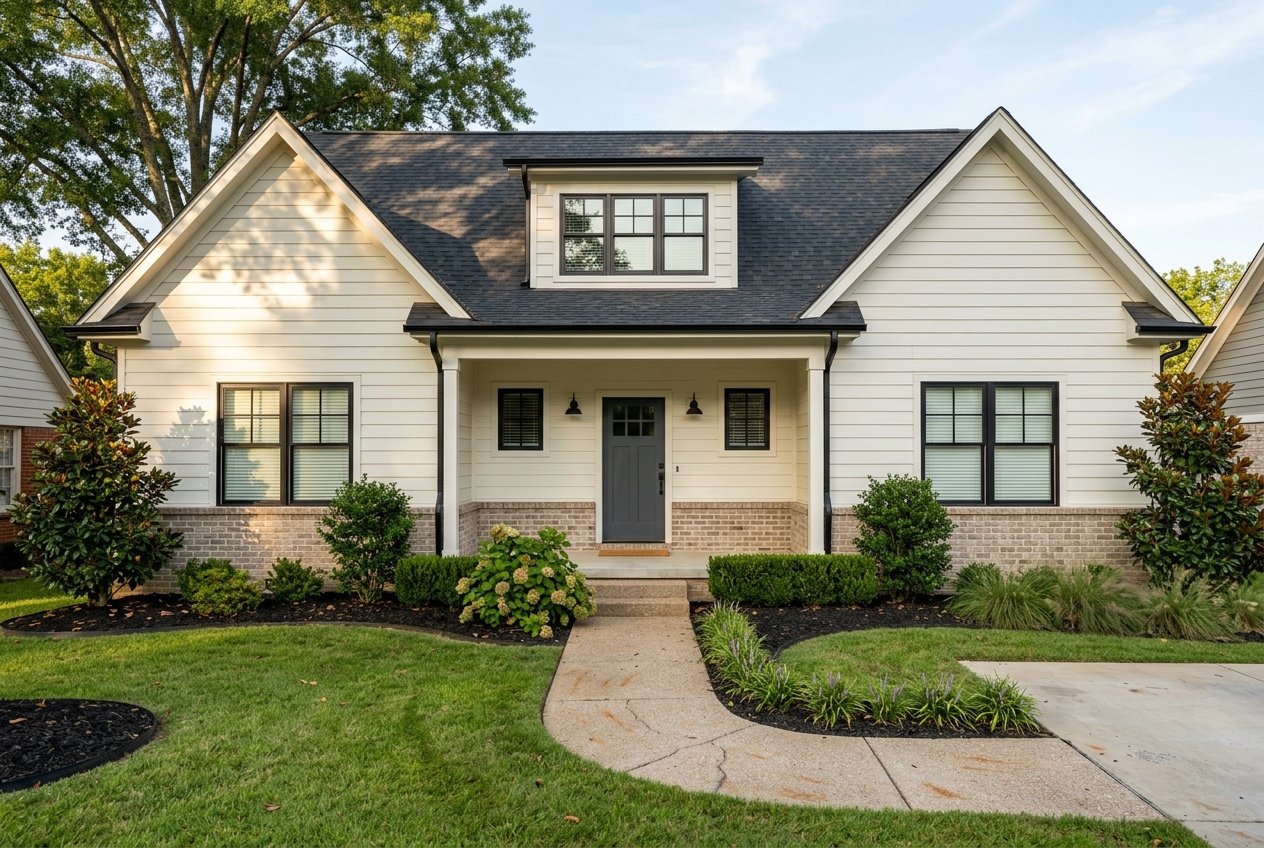
Renovate Or Sell As Is? A Cary Seller's Roadmap
Wondering whether to renovate before you sell, or skip the projects and list your Cary home as is? You are not alone. Many sellers want the best possible price, but they also want to avoid wasting time or money on updates that will not pay off. The good news is that in Cary, the right answer usually becomes clearer when you look at your home through a few practical filters. Let’s dive in.
Cary is still a strong market, but it is not a market where every home sells at a premium no matter its condition. In March 2026, the median sale price was $605,000, homes averaged about 41 days on market, and the average home received about 2 offers. The sale-to-list ratio was 98.7%, which shows buyers are active but still paying attention to value and presentation.
That matters because buyers in Cary often notice finish quality, layout function, and overall move-in readiness. The town’s housing stock is largely detached single-family homes, and many homes built in the 1990s are reaching the stage where they may need more meaningful updates. If your home looks dated or has deferred maintenance, buyers may factor that into both their offer price and their repair requests.
If you are deciding whether to renovate or sell as is, start with these four filters:
These four factors usually tell you whether simple prep will help you stand out, or whether a full project is more trouble than it is worth.
First impressions still matter, especially in a market where homes are not selling overnight in any condition. Cosmetic issues like worn paint, tired flooring, clutter, dated light fixtures, or neglected landscaping can make a home feel less cared for than it really is.
In many cases, these are the updates most worth doing before listing. Fresh paint, deep cleaning, decluttering, floor repair or replacement, and light kitchen or bath touch-ups are all buyer-facing improvements that can make your home feel more current without turning your life into a construction project.
Staging also deserves serious consideration. According to the National Association of Realtors’ 2025 home staging findings, nearly half of agents said staging reduced time on market, and 29% reported a 1% to 10% increase in offered value. The rooms most commonly staged were the living room, primary bedroom, dining room, and kitchen.
Before you spend money on style upgrades, think about what a buyer’s inspection is likely to uncover. Roofing concerns, HVAC issues, plumbing leaks, electrical problems, pest activity, or structural concerns tend to matter more than cosmetic details once a buyer is under contract.
This is especially important if you are considering an as-is sale. In North Carolina, selling as is means you are deciding in advance not to make repairs. It does not mean buyers lose the right to inspect, and it does not remove your obligation to disclose known material facts honestly.
North Carolina law also requires most residential sellers to provide a Residential Property Disclosure Statement. That disclosure covers major areas such as structure, roof, plumbing, electrical, heating and cooling, pest infestation, zoning, and environmental conditions. You can choose to make no representation on some items, but you still cannot make inaccurate statements about known problems.
Some projects are simple. Others can slow your sale down fast.
In Cary, permits are required before construction, reconstruction, alteration, or repair of a building, and before installing or altering plumbing, heating and cooling, or electrical systems. Cosmetic work such as floor and wall coverings, trim, cabinets, and same-material roof coverings generally does not require a permit. If you are considering more than surface-level updates, it is smart to confirm what is required before work begins.
Unpermitted work can create delays, extra scrutiny, and added liability during a sale. That is one reason major kitchen remodels, bath gut jobs, additions, or structural changes should be weighed carefully against your timeline and expected return.
Your remaining timeline may be the most important filter of all. If you want to list soon, large projects can eat up valuable weeks or months and create stress that does not always lead to a better outcome.
In Cary’s current market, modest improvements often make more sense than major renovations when you are preparing to sell within a relatively short window. Because homes average about 41 days on market, strong presentation can still make a meaningful difference. But that does not mean every seller should take on a long remodel before listing.
Pre-listing updates tend to make the most sense when the work is visible, manageable, and likely to improve buyer perception right away. This is especially true if your home is basically sound but needs a presentation refresh.
You may want to renovate before selling if your home needs:
These projects can help buyers picture themselves in the home and reduce the sense that they are taking on work immediately after closing. NAR’s 2025 remodeling findings also point to strong resale-oriented returns for specific updates such as a new steel front door and closet renovation.
Sometimes, selling as is is the more practical and financially sound choice. That is often true when the work needed is major, expensive, permit-heavy, or difficult to finish before your ideal listing window.
Selling as is may make sense if:
This approach can also be reasonable for homes that need more than cosmetic help, especially when buyers are likely to do the work their own way anyway. The key is pricing honestly, disclosing properly, and understanding that buyers may still negotiate based on condition.
If your goal is to improve value without over-improving, focus first on the upgrades buyers see immediately. In Cary, where much of the housing stock is detached single-family homes and many properties are old enough to show wear, polished presentation can help your home compete more effectively.
The most practical pre-listing projects often include:
If your home was built before 1978, keep lead-based paint rules in mind as you plan. Federal law requires lead-based paint disclosure and related information before sale, which can affect how you approach prep and documentation.
If you are unsure what to do, this step-by-step approach can help you make a confident decision.
Walk through your home as if you were seeing it for the first time. Look for worn finishes, deferred maintenance, outdated fixtures, and anything that might hurt first impressions. Then separate cosmetic items from repair issues.
If the home has likely inspection issues, start there. Buyers can accept dated finishes more easily than hidden problems that raise concerns about cost or safety.
Before starting bigger work, check whether the project may require permits in Cary. This can help you avoid delays and prevent a last-minute scramble when you are trying to get to market.
If you want to list soon, lean toward high-impact cosmetic improvements. If you have more time and a clear reason to tackle larger work, evaluate whether that investment truly moves your home into a stronger pricing position.
Not every improvement adds value equally. Focus on the changes that help buyers feel confident, comfortable, and excited to make an offer.
For sellers who want a polished presentation without paying all project costs upfront, Compass Concierge can be a useful tool. Compass states that Concierge fronts the cost of eligible home-improvement services with zero due until closing. The seller pays when the home sells, the listing agreement ends, or 12 months pass from the start date, and fees or interest may apply depending on the state.
Covered service examples include staging, flooring, painting, landscaping, cosmetic renovations, kitchen and bathroom improvements, moving and storage, HVAC, roofing repair, pest control, and many other services. Loan eligibility is subject to approval and underwriting by Notable Finance.
For a Cary seller, that can create flexibility. Instead of choosing between doing nothing and fully self-funding the prep work, you may be able to focus on the improvements most likely to support a stronger market launch.
In most cases, the best answer is not a full renovation or a complete hands-off sale. It is a smart middle ground.
If your home has solid bones and mostly cosmetic issues, modest updates and staging are often the most defensible investment. If the home needs major work, has permit-heavy project needs, or you need to move quickly, selling as is may be the better path. The goal is not to do the most work. The goal is to make the clearest, most strategic decision for your timeline, your property, and your likely net proceeds.
If you want help building a seller plan that fits your home and your timeline, Quin Realty Group can help you evaluate what to fix, what to skip, and how to prepare your Cary home for the market with a concierge-level approach.

Real Estate

Real Estate

Real Estate

Real Estate

Real Estate
With over 20 years of real estate experience in the Triangle area of NC, Quin Realty Group will give you a full-service experience in purchasing or selling your home! Consider us your personal home concierge!
201 FENTON GATEWAY DR CARY NC 27511