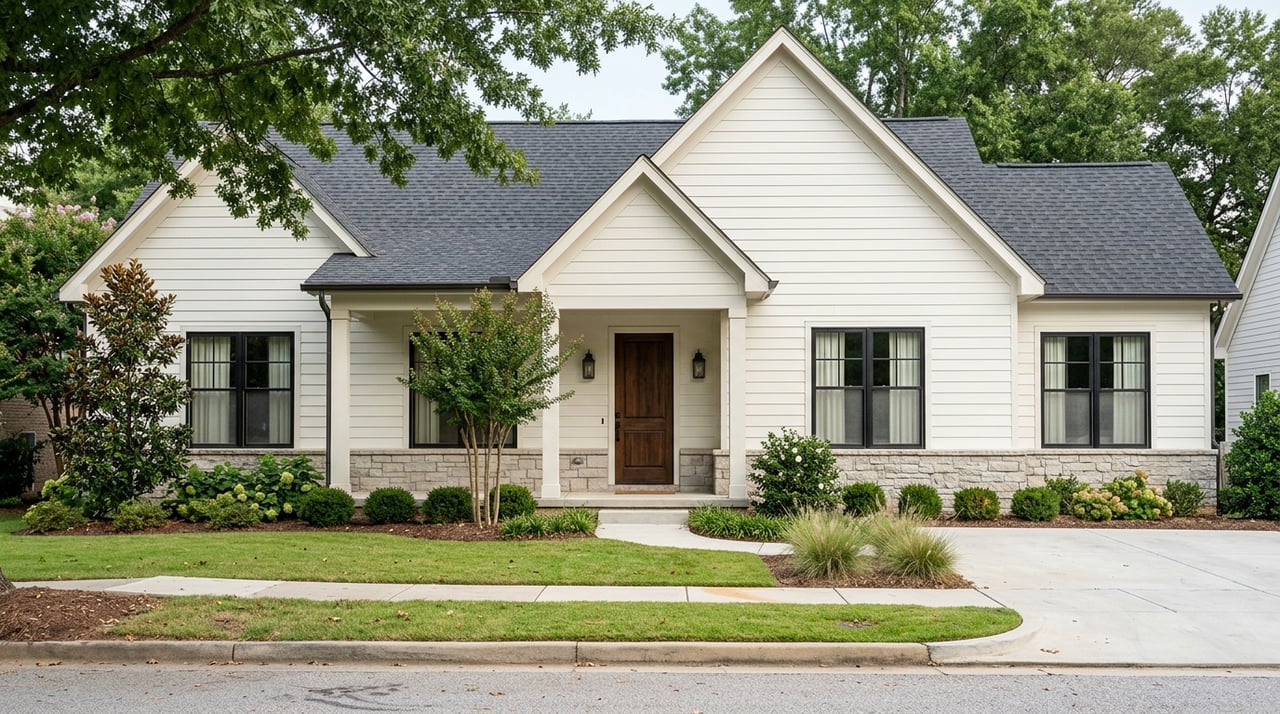
Holly Springs New Construction vs Resale: How to Choose
Trying to decide between a brand-new build or an established resale in Holly Springs? With steady demand and active development, both paths can work well for your goals. In this guide, you’ll see the real trade-offs on lot size, layouts, amenities, timelines, and long-term value, plus local examples to make the call with confidence. Let’s dive in.
Holly Springs counted 41,239 residents in the 2020 U.S. Census, reflecting a fast-growing suburban hub in southwest Wake County. You can see the official count in the state’s redistricting files from the census release (2020 population summary).
The Town’s Housing Hub reports about 14,171 total housing units and noted an average sale price of $545,000 in November 2022, with strong gains from 2019 to 2022 (Town housing data). For a current snapshot, Zillow’s typical home value (ZHVI) for Holly Springs was around $568,000 as of January 31, 2026 (Zillow market view). Redfin’s February 2026 report showed a median sale price near $550,000. Always check both sources near your shopping timeline to understand short-term shifts.
Public investment is ongoing. The Town continues to plan and fund utility and parks projects, and the broader area’s life-sciences and manufacturing growth supports long-run demand. That mix helps explain why buyers here weigh new construction against resale differently than in slower-growth markets.
Holly Springs’ Unified Development Ordinance (UDO) sets minimum lot widths and areas that shape what builders can deliver. For detached homes, the UDO shows minimum widths at the setback line of RR 100 feet, SR 60 feet, and NR/NCR/MXR 26 feet. Minimum lot areas include SR about 15,000 square feet, NR about 10,000 square feet, and NCR about 5,000 square feet. In acres, that is roughly 0.34 for SR, 0.23 for NR, and 0.11 for NCR (UDO residential standards). Actual platted lots may be larger depending on the community and product.
What you will see on the ground:
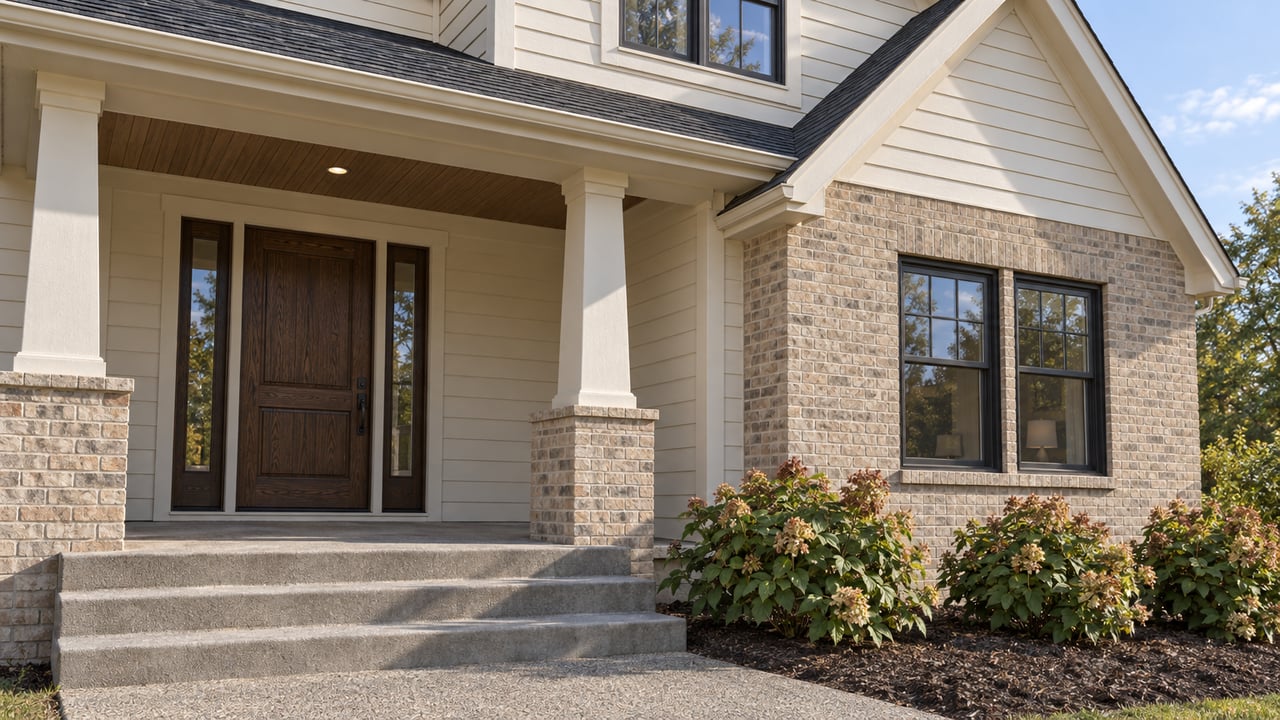
New construction highlights modern open-concept layouts, larger kitchens, flex rooms or home offices, and energy-efficient mechanicals, plus a design studio for selections. Local examples include:
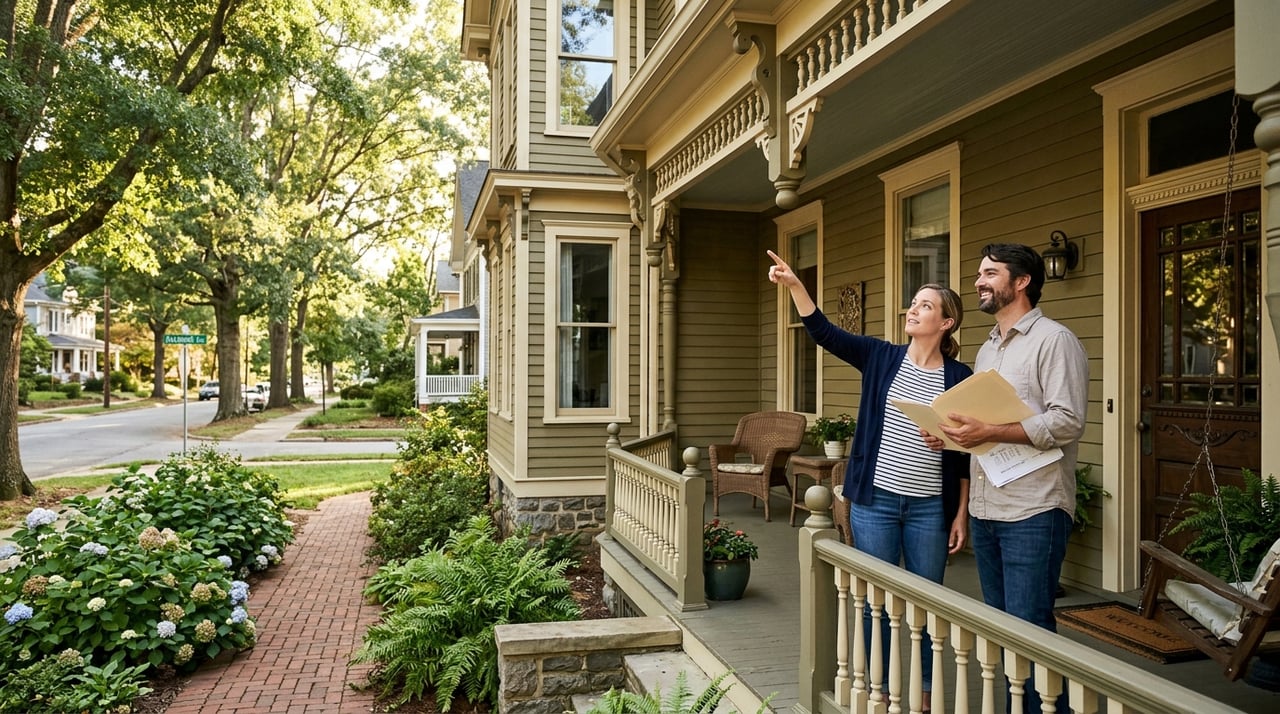
Resale homes vary by era and update level. You’ll find a mix of architectural character, established streetscapes, and mature trees that can improve privacy and curb appeal. Interiors may be partially or fully updated, or ready for your planned improvements.
New master-planned communities often include pools, clubhouses, pickleball or tennis, trails, and green space. An HOA maintains common areas, which adds a monthly or quarterly fee. Two examples you can benchmark:
For resale neighborhoods, HOA presence and fees vary widely. Always review the recorded covenants, the most recent fee schedule, and what is included versus optional.
New homes are built to current North Carolina building codes and typically come with a builder’s limited warranty. Ask each builder about coverage and term, and consider a third-party inspection before closing. The Town’s UDO and development standards point back to state codes as the baseline for residential construction (UDO reference).
Resale homes generally do not include a warranty from the seller unless specifically offered, so plan for thorough inspections and a budget for near-term maintenance.
New neighborhoods often build out in phases. Expect active construction, temporary roads, and evolving streetscapes as later phases start. Production-builder timelines vary: move-in-ready spec homes can close more quickly, while to-be-built homes often take about 6 to 9 months from contract to completion in the Triangle, depending on lot readiness and market conditions. Infrastructure timing for roads and utilities can also affect when final landscaping is complete.
Before you commit to a lot, check whether adjacent parcels are under review or construction using the Town’s Development Activity resources (Development Activity map and tracker).
Mature landscaping, community identity, and proximity to town parks can support long-run demand. Ting Park and the wider parks network are strong local anchors that many buyers appreciate for recreation and events (Ting Park overview). For future resale, many buyers also weigh access to NC-540 and commute convenience, as well as verified school assignments for specific homes. Always confirm school assignments through official channels at the time of offer.
Every home and neighborhood is different, but a few patterns can help you plan:
Choose new construction if you want:
Choose resale if you want:
Use this quick list to compare any two homes or neighborhoods side by side:
When you think about future resale value in Holly Springs, a few variables show up again and again:
Whether you build new or buy resale, the best choice fits your timeline, budget, and lifestyle. If you want a second set of eyes on lot sizes, covenants, selections, or maintenance red flags, we can help you compare options side by side and move forward with confidence. Reach out to schedule a consult or to tour homes in person with a local expert at Quin Realty Group.
Real Estate

Real Estate
Real Estate

Real Estate
With over 20 years of real estate experience in the Triangle area of NC, Quin Realty Group will give you a full-service experience in purchasing or selling your home! Consider us your personal home concierge!
201 FENTON GATEWAY DR CARY NC 27511