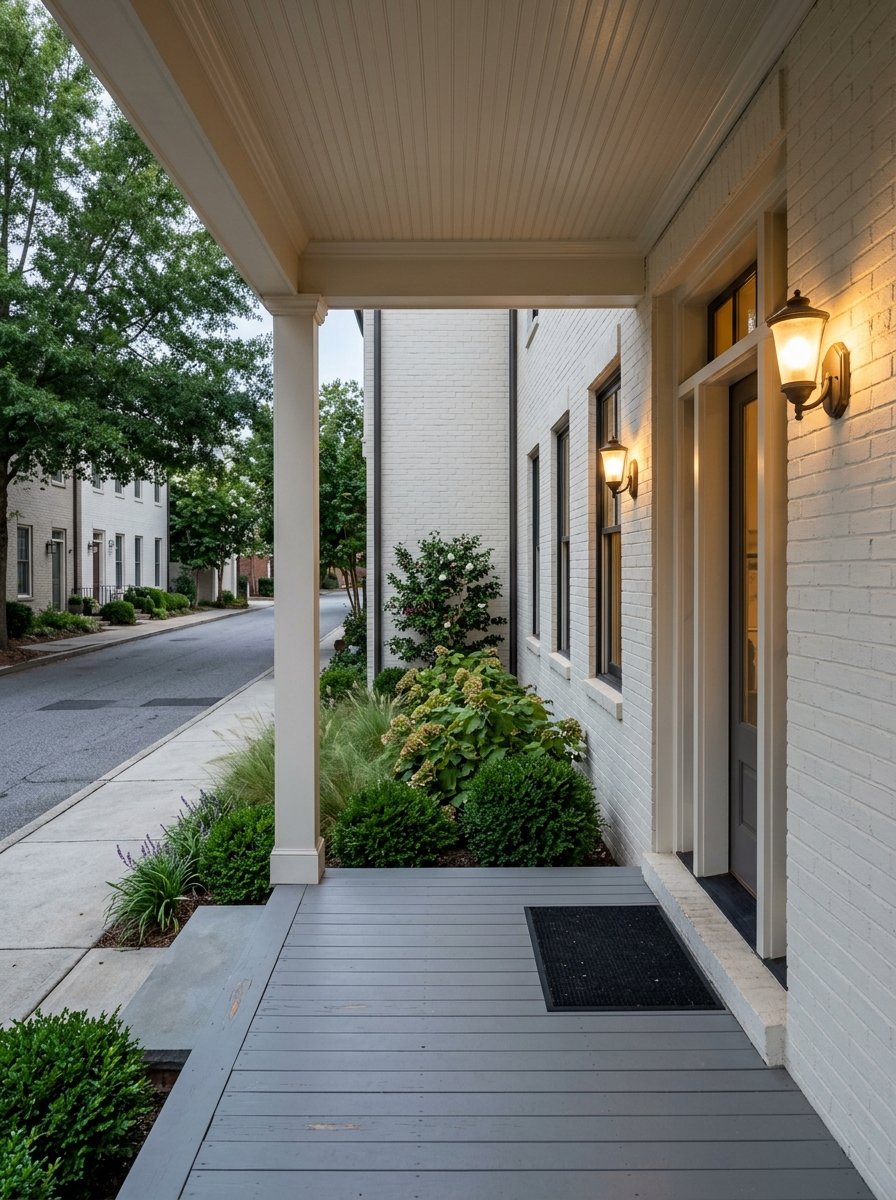
Relocating to Raleigh NC? How to Choose the Right Area
Moving to Raleigh can feel simple at first, until you realize that "Raleigh" often means very different daily routines depending on where you land. If you are relocating to the area, the right in-town location is less about picking a name on a map and more about choosing the version of everyday life that fits you best. This guide will help you narrow your options by commute pattern, lifestyle, housing type, and planning details so you can make a smarter move with more confidence. Let’s dive in.
When you are choosing an in-town Raleigh location, your first question should be practical: where do you need to go most often? Raleigh works best when you view it as part of the larger Triangle, not as a stand-alone city. GoTriangle’s service area includes Raleigh, Cary, Durham, Chapel Hill, Research Triangle Park, RDU, and other nearby communities.
That means your location choice should match your regular trip pattern. For many relocating buyers, the most useful categories are:
If your weekday routine points you toward one of those hubs, you can usually rule in or rule out several areas quickly. That makes your search more focused and helps you avoid choosing a home that looks good online but adds friction to daily life.
Not every buyer wants the same kind of convenience. Some people want to walk to restaurants, public spaces, or transit. Others want easier parking, simpler car access, and a more spread-out feel.
In Raleigh, that tradeoff matters. Two areas can seem close on a map but offer very different day-to-day experiences once you factor in parking, transit, street layout, and housing type.
If you want the most urban, pedestrian-oriented option, downtown Raleigh stands out. The city’s Downtown District includes downtown Raleigh, Glenwood South, and Moore Square, with public spaces and transit connections that support a more walkable routine.
The R-Line downtown circulator connects residents, employees, and visitors to restaurants, retail, entertainment venues, and parking about every 15 minutes. Raleigh Union Station in the Warehouse District is also directly served by GoRaleigh and the R-Line, which adds another layer of connectivity for people who value transit access.
Downtown can make sense if you want:
Parking is part of the equation. The city notes that metered parking is concentrated in the Core Downtown Business District, Glenwood South, and Hillsborough Street near NC State, although five select downtown decks offer two hours of free weekday parking.
For many buyers, that means downtown is strongest if you value walkability and transit more than abundant free parking. If your ideal routine involves driving everywhere and parking with minimal effort, you may want to compare downtown with Midtown or close-in residential pockets.
If downtown feels a little too dense, Midtown often becomes the next place to explore. The city’s Midtown-St. Albans planning effort focuses on making Midtown more walkable through new Beltline crossings, green streets, protected walking and biking spaces, and policies that support both jobs and housing.
Midtown is also part of Raleigh’s future transit picture. The planned Northern BRT corridor is intended to connect Downtown Raleigh north to Midtown Raleigh and Triangle Town Center, which reinforces Midtown’s role as a bridge between the core and farther north destinations.
For many buyers, Midtown offers a middle ground:
The city’s planning materials also describe North Hills as a suburban place that has been redeveloped into a walkable urban center with retail, hotel, office, and residential uses. That makes Midtown especially useful for buyers who want convenience without committing to a fully downtown lifestyle.
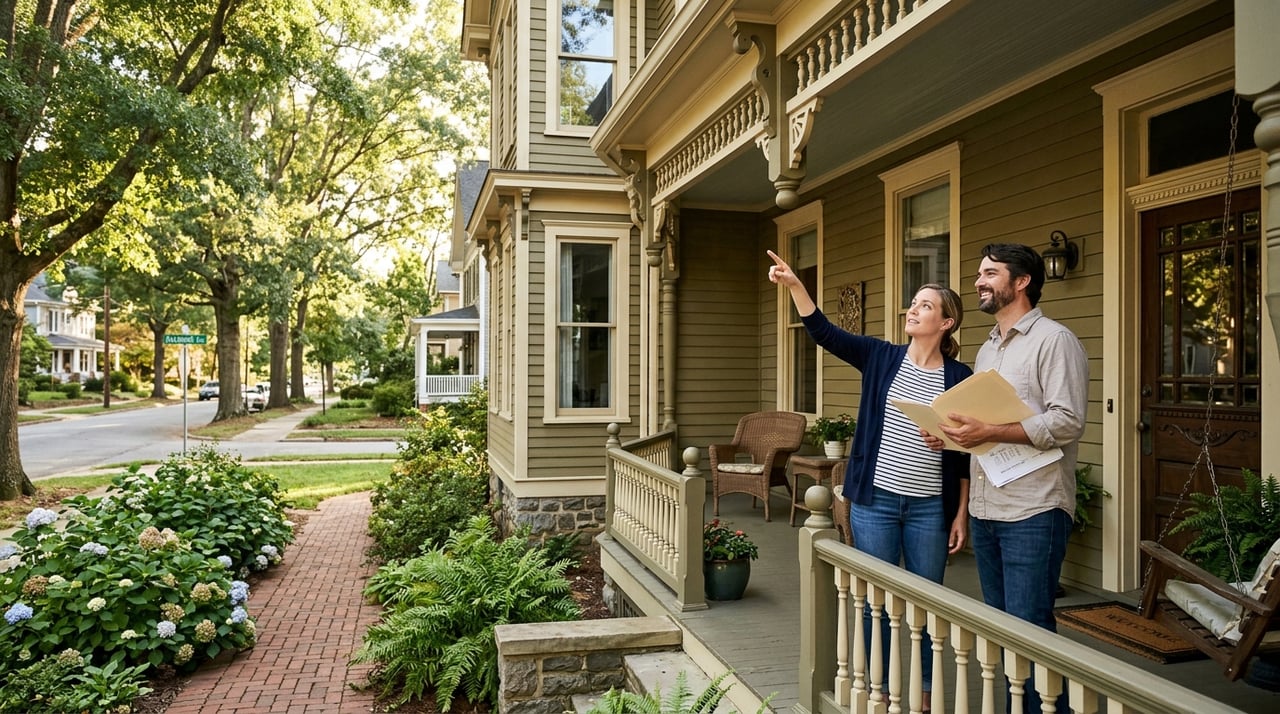
Some relocating buyers want to be near downtown but not in the middle of it. In that case, close-in residential neighborhoods can offer a different feel with older homes, established streetscapes, and a more distinctly residential setting.
The city highlights several examples through its historic planning materials, including Oakwood, Boylan Heights, Hayes Barton, and Cameron Village. Each one shows a different version of close-in living.
Oakwood contains Raleigh’s largest collection of 19th-century Victorian dwellings and includes a mix of one- and two-story buildings. Boylan Heights is one of Raleigh’s earliest planned suburbs, known for curving streets, front porches, sidewalks, and many bungalow-style homes.
If you are drawn to older architecture and a strong sense of established form, these areas may feel appealing. They can place you close to downtown activity while still offering a more residential experience.
Hayes Barton is described by the city as having an estate-like setting with generous setbacks and many larger period-revival houses. Cameron Village, North Carolina’s first planned mixed-use development, combines single-family homes, apartment buildings, and commercial uses about one mile northwest of downtown.
These examples are helpful because they show that "in-town" does not always mean high-rise or ultra-urban. In Raleigh, you can often find a close-in location that gives you access and character at the same time.
One of the biggest relocation mistakes is assuming your choices are limited to a detached house or a large apartment building. Raleigh’s housing menu is broader than that, especially in areas influenced by mixed-use planning or newer housing rules.
According to the city’s zoning map guidance, residential districts are intended for neighborhoods with up to 10 dwelling units per acre and buildings up to three stories and 40 feet. Mixed-use districts allow greater flexibility and often place retail at ground level with residential uses above.
The city’s missing-middle housing guidance also expands the conversation. Depending on the area, you may encounter:
That wider range can be especially useful if you are relocating and want options between a condo tower and a traditional detached home. It can also change what is realistically available near transit corridors or mixed-use centers.
If you want a car-light lifestyle, or simply want future flexibility, transit access deserves a closer look. Raleigh defines a Frequent Transit Area as land within one-half mile of a transit route with buses arriving at least every 15 minutes during peak travel times.
That matters for two reasons. First, it can affect how convenient your day-to-day routine feels without relying on a car for every trip. Second, it can help explain why two nearby areas may be evolving differently in terms of housing options and development patterns.
For broader regional travel, GoTriangle’s airport service information is useful if you expect regular flights or airport pickups. Route 100 provides direct bus service from downtown Raleigh to RDU, and the RDU Shuttle connects the Regional Transit Center to the airport.
The same source also outlines current regional route options, including Raleigh-Cary service and connections involving RTP. If your work or travel schedule depends on those links, your ideal in-town location may look different from someone who works entirely within central Raleigh.
If you love older homes and established neighborhoods, be sure to ask one extra question early: are there character-preservation or historic overlay rules on the property? These rules can be very important if you plan to renovate, expand, or make exterior changes.
The city explains that character preservation and historic overlay districts are designed to preserve neighborhood character. In certain local historic overlay areas, exterior changes, materials, additions, demolition, and new construction may be regulated.
The city also states that exterior changes in a General Historic Overlay District, regulated streetside zones, or a Raleigh Historic Landmark require a Certificate of Appropriateness before work begins. For buyers considering a renovation project, that is not a small detail. It can influence budget, timeline, design choices, and approval steps.
If you are still comparing areas, use this checklist to organize your thinking:
This approach keeps you focused on how you will actually live, not just what photographs well online.
The best in-town Raleigh location is the one that supports your routine with the least friction. For one buyer, that may be a walkable downtown block with transit access and less concern about parking. For another, it may be Midtown’s blend of convenience and breathing room, or a close-in residential neighborhood with older homes and easy access to the core.
If you are relocating to the Triangle, it helps to work with someone who can translate maps and neighborhood names into real daily-life outcomes. Quin Realty Group helps relocating buyers compare Raleigh, Cary, and surrounding Triangle locations with a practical, concierge-style approach so you can choose a home that works for the way you actually live.
Real Estate

Real Estate
Real Estate

Real Estate
Real Estate
With over 20 years of real estate experience in the Triangle area of NC, Quin Realty Group will give you a full-service experience in purchasing or selling your home! Consider us your personal home concierge!
201 FENTON GATEWAY DR CARY NC 27511