Feeling overwhelmed by what it takes to get your Apex home market ready? You are not alone. In a market where buyers have options, a polished first impression can mean the difference between a quick, confident offer and weeks of price watching. In this guide, you will learn how concierge-style listing prep works, what to prioritize in Apex, what it costs, and how a coordinated plan can protect your time and bottom line. Let’s dive in.
Why concierge prep matters in Apex now
As of February 2026, Apex’s median sale price was about $623,010 and the median days on market was 72, according to Redfin’s Apex market report. That extra time on market can raise holding costs and pressure you into price reductions if your home does not shine in week one.
Across Wake County, the market looks balanced, with a median price around $475,000 and days on market near 76 in a January 2026 snapshot, per Realtor.com’s Wake County overview. Buyers compare homes across nearby cities, so a crisp presentation in Apex helps justify your price premium.
Staging and targeted improvements are proven levers. The National Association of REALTORS® reports that staging helps buyers visualize living in a home, and many agents see staged homes increase offer values and shorten time on market. Review the specifics in the 2025 NAR Profile of Home Staging; the most commonly staged rooms are the living room, primary bedroom, and kitchen. Industry benchmarks from the Real Estate Staging Association also show staged-and-sold samples performing above list, with outsized ROI in many cases. See the latest RESA highlights for context.
You will usually get more back from small, smart upgrades than from big remodels right before selling. The 2025 Cost vs. Value report shows that a minor kitchen refresh often recoups a high share of cost, while large structural remodels typically recoup less. You can explore the benchmarks in the Remodeling Magazine Cost vs. Value report.
What concierge-style prep includes
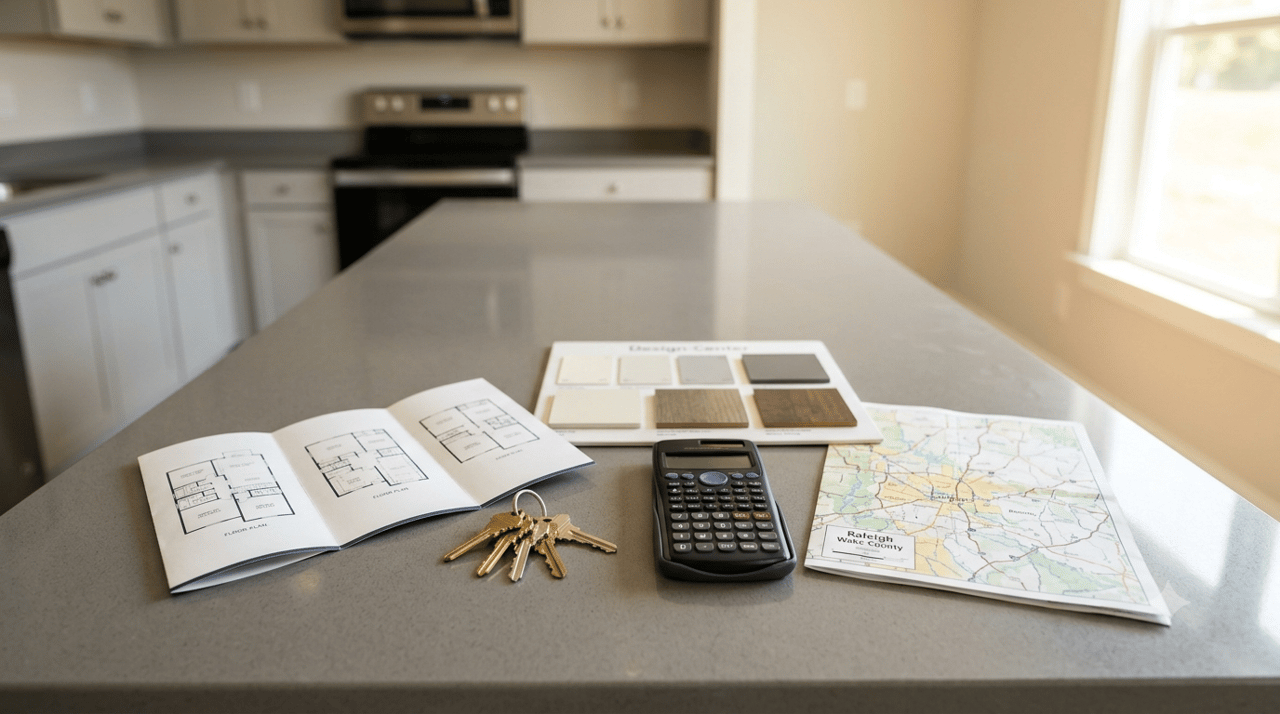
A concierge approach is a coordinated plan that removes friction. Instead of calling five vendors and chasing schedules, you have one point of contact who handles:
- Strategy, comps, and a prioritized scope based on your goals and timeline.
- Vendor bids, scheduling, and quality checks.
- Staging, photography, video, and listing media.
- Pay-at-close options where available, such as Compass Concierge or providers like Curbio, so you can complete high-impact work without paying up front.
The result is a faster, cleaner path to market with fewer surprises and stronger buyer response.
A simple, proven workflow
1) Intake and strategy (0–48 hours)
You start with a strategy session that covers target buyers, your timeline, recent comps, and a cost-versus-benefit plan. The outcome is a one-page pre-list plan that keeps everyone aligned.
2) Pre-listing inspection and scope (1–5 days)
A pre-listing inspection is optional, but it can be smart for older homes or when you want to reduce repair negotiations. Use the report to prioritize safety, function, and cosmetics. Learn more about the pros and cons from this pre-listing inspection overview.
3) Written quote and authorization (1–3 days)
You receive an itemized statement of work, vendor list, start and end dates, budget, and financing terms. If using a pay-at-close option, the agreement includes program terms.
4) Project coordination (3–21 days)
Your concierge lead schedules contractors, confirms any permits, manages staging delivery, and books media. Simple refreshes can move from authorization to live in 1 to 2 weeks, while larger cosmetic scopes may take 3 to 6 weeks.
5) Launch and 30-day review
Once live, you monitor traffic, showing feedback, and offer activity. If results lag the plan, your agent adjusts marketing or price quickly rather than waiting.
Three Apex-ready project tiers
Every home is different, but these examples show typical scopes, budgets, and timelines for Apex listings. Costs vary by size, finishes, and vendor availability.
Tier A: Basic Refresh
- Budget: 1,500 to 5,000 dollars
- Timeline: 3 to 10 days
- Best for: Newer homes, tidy homes with light wear, or tight timelines
Scope:
- Deep clean and targeted declutter with simple packing guidance.
- Minor repairs like door hardware, caulk, and small drywall patches.
- Touch-up paint in main living areas and entry.
- One-day curb tidy: mow, mulch, prune, and sweep hardscape.
- Professional photos and virtual staging for 3 to 6 key rooms.
Cost anchors: Professional staging has a wide range, but the median spend often lands in the low thousands. See a consumer-friendly range in HomeAdvisor’s staging cost guide. Virtual staging can be a low-cost add-on for vacant rooms and online first impressions.
Expected impact: Sharper photography, better first-week interest, and less risk of early price pressure.
Tier B: Mid-Level Cosmetic
- Budget: 5,000 to 15,000 dollars
- Timeline: 7 to 21 days
- Best for: Dated paint, worn flooring in a few rooms, kitchens that need a light facelift
Scope:
- Whole-house interior paint in neutral, light-reflecting colors.
- Flooring refresh or targeted hardwood refinish.
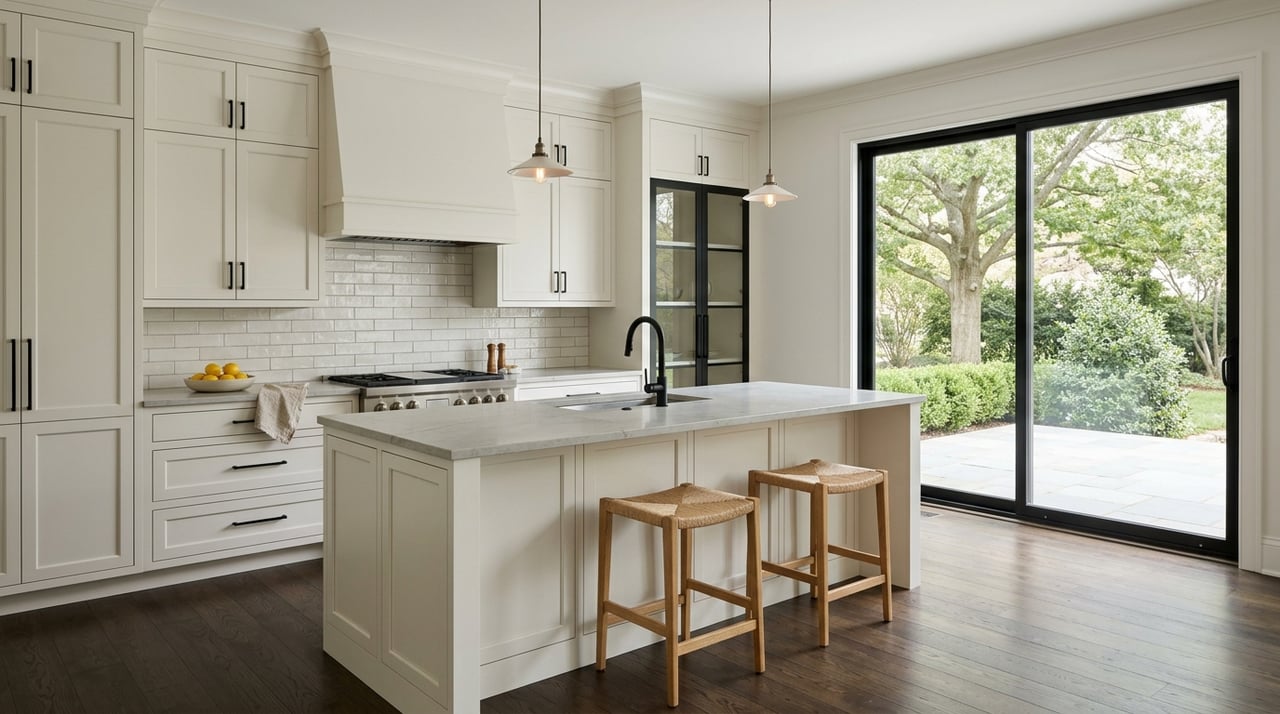
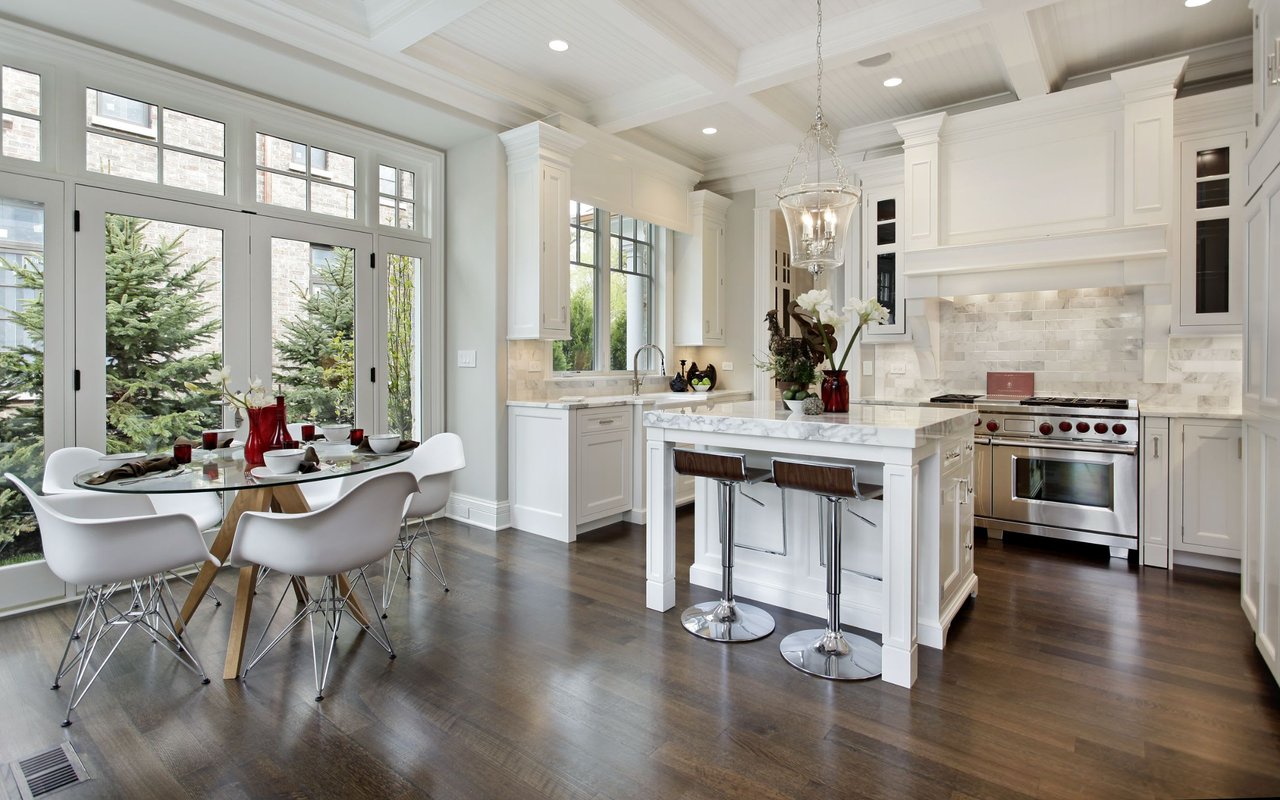
- Minor kitchen refresh: paint or reface cabinets, new hardware, consider new counters or a modern faucet.
- Occupied or partial vacant staging.
- Professional photos plus twilight exteriors; landscape refresh.
Why it works: Minor kitchen projects often offer strong cost recovery at resale, as outlined in the Cost vs. Value benchmarks. Combined with staging, this tier can lift perceived value without long delays.
Tier C: Full Concierge, Pay-at-Close Option
- Budget: 15,000 to 40,000 dollars or more
- Timeline: 2 to 8 weeks
- Best for: Homes that need a coordinated overhaul to reach a higher price band
Scope:
- Full staging and complete interior paint.
- Prioritized repair list cleared before listing.
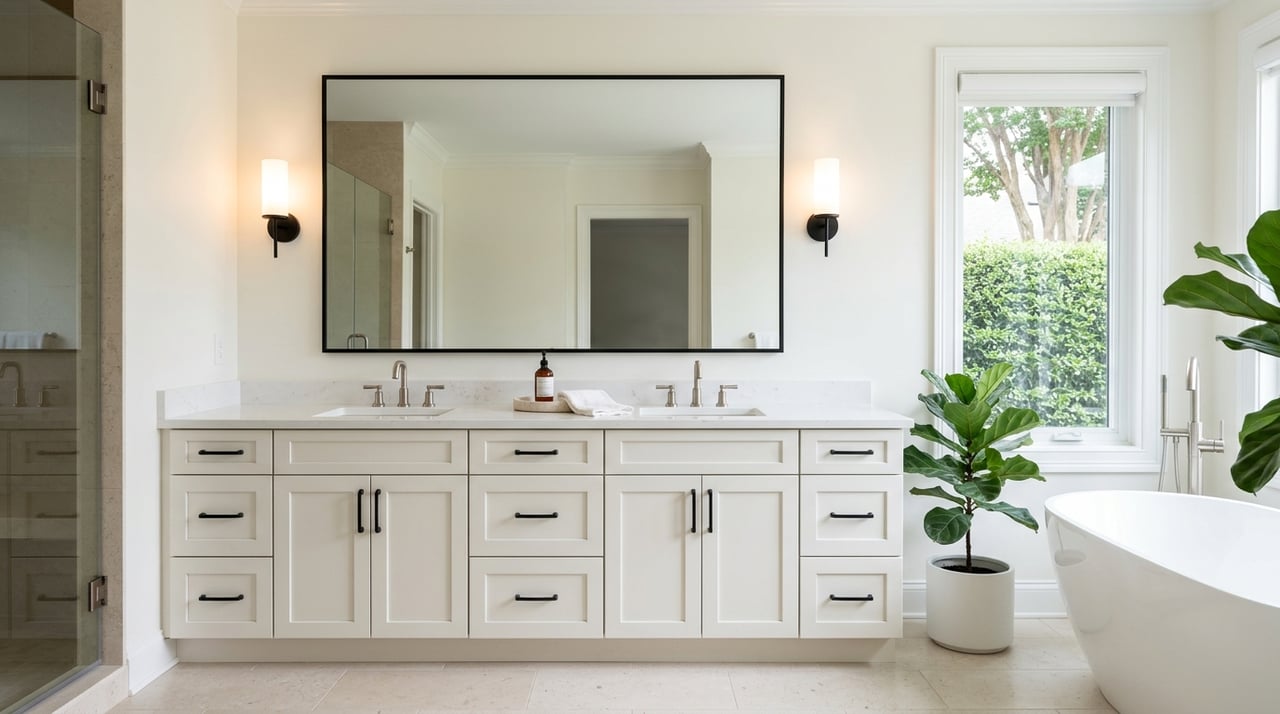
- Kitchen and bath minor remodels, new counters or appliances as needed.
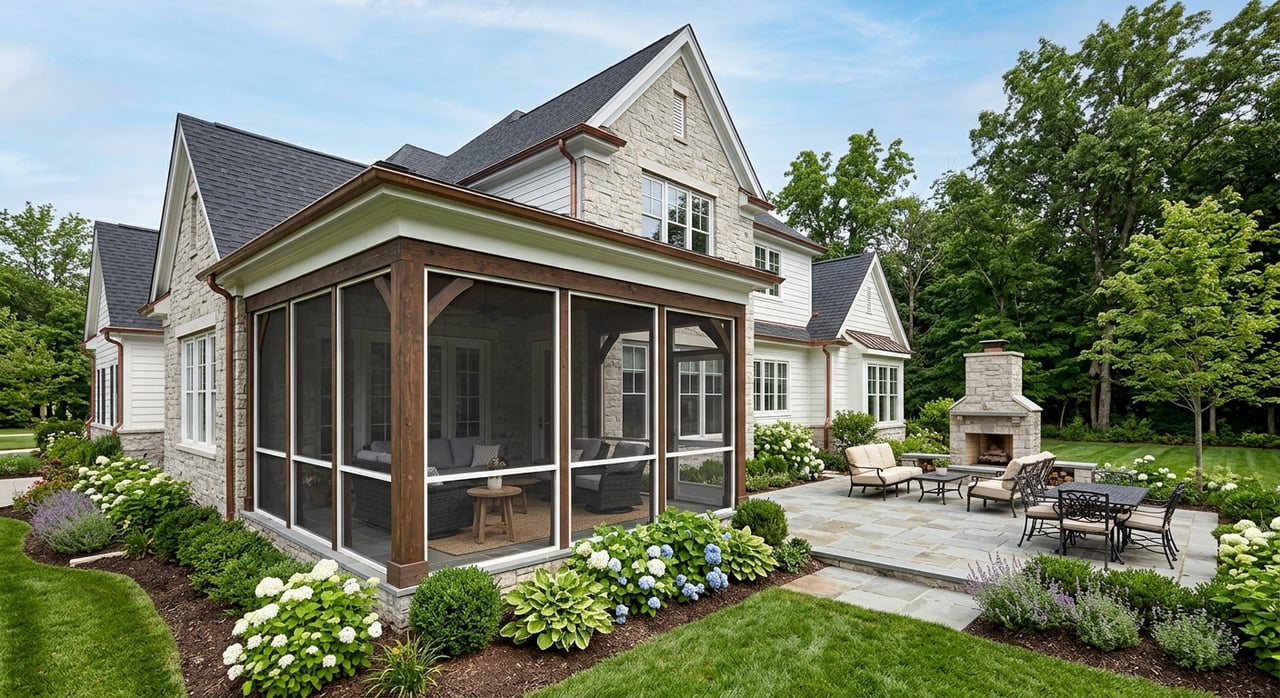
- New or refinished floors and a major curb appeal refresh.
- Video, drone, and Matterport.
Financing: Many sellers choose a pay-at-closing path through a brokerage program like Compass Concierge or a third-party provider such as Curbio. This removes the up-front cash hurdle while keeping the project moving.
A fast, 3-week timeline example
- Day 0: Strategy call and schedule a pre-list inspection if needed.
- Days 1 to 3: Receive the report, finalize scope, and sign off on the budget. Your agent gathers 2 to 3 quotes where helpful.
- Days 4 to 14: Vendors complete paint, flooring touchups, and punch-list repairs. Staging is scheduled for the end of this window.
- Days 15 to 18: Staging install, then photography, twilight exteriors, and any video.
- Day 19: Your listing goes live, with a 30-day performance review plan already in place.
Vendor vetting and risk checks
Your listing concierge should provide a simple, written packet before any work begins. Look for these items:
- Vendor verification: active license where required, certificate of insurance, and worker comp details.
- Written scope of work: line-item deliverables, unit pricing, and a clear change-order process.
- Payment terms: deposits, progress draws, and final invoice steps, including any pay-at-close authorization.
- Lien protection: request conditional lien waivers tied to payments or use escrow instructions as advised by your title company.
- Permits and HOA: confirm permit needs for electrical, plumbing, HVAC, roof, structural, or significant exterior work. Check the Town of Apex portal for guidance and contacts, such as the Building Inspections and Permitting resources. If your property is in an HOA, submit architectural requests early to avoid delays.
- Documentation for appraisal and disclosures: keep invoices, warranties, and before-and-after photos.
Budgeting expectations in plain English
- Staging: Many Apex sellers invest in the low thousands for professional staging. Virtual staging can lower costs for photo-first needs. The HomeAdvisor staging guide gives a helpful overview of common ranges.
- Paint: Fresh interior paint is one of the highest return moves. Focus on high-traffic areas and trim for maximum impact.
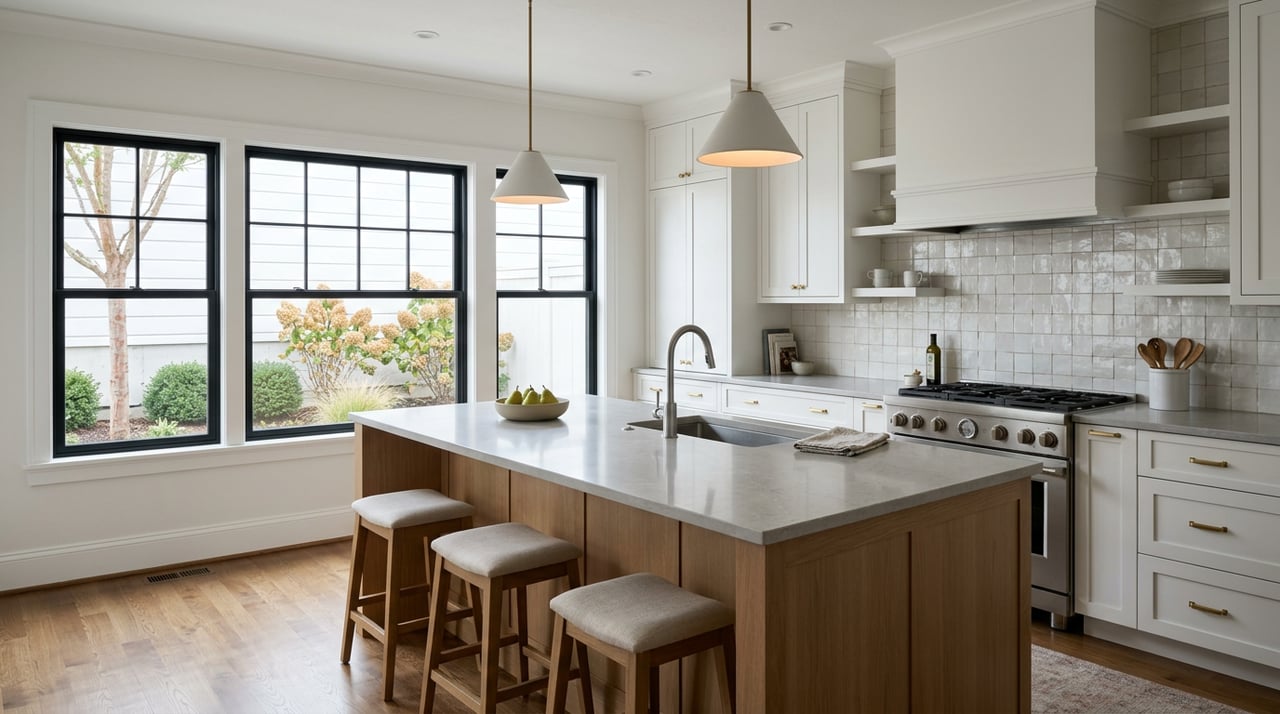
- Kitchen refresh: Aim for a minor remodel approach first. Updated hardware, fresh cabinet finishes, and strategic counters or lighting often beat full gut projects on speed and resale payback, in line with Cost vs. Value trends.
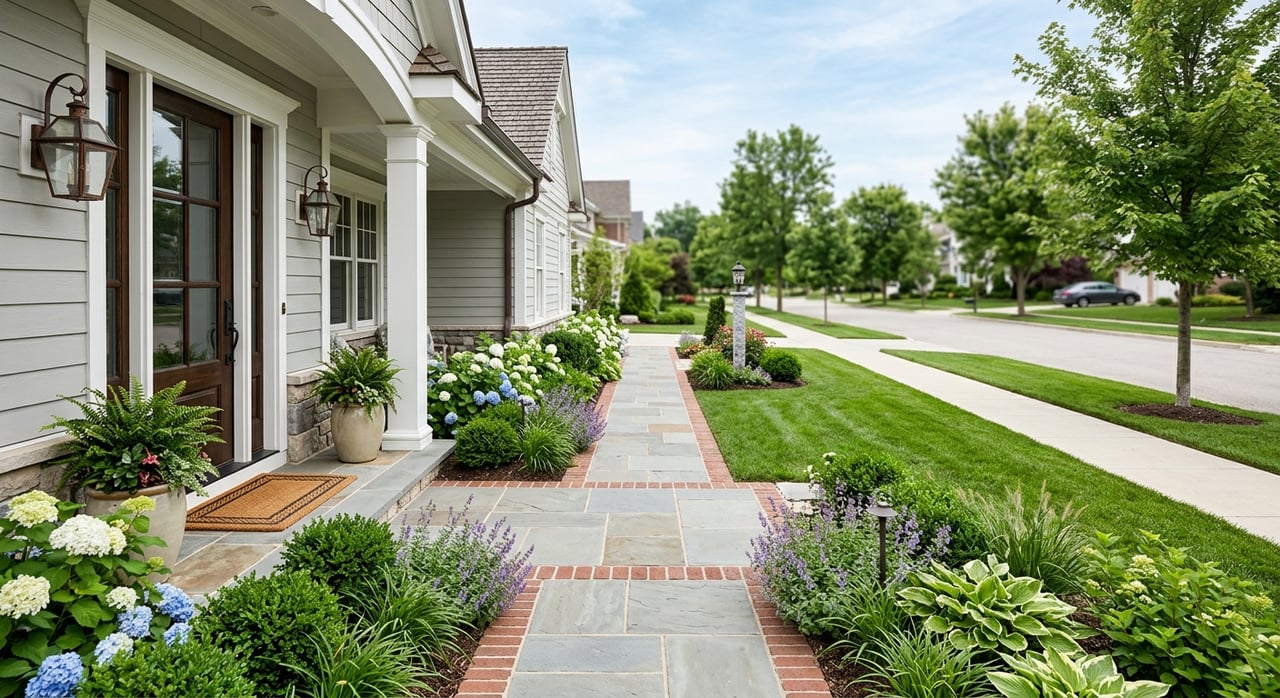
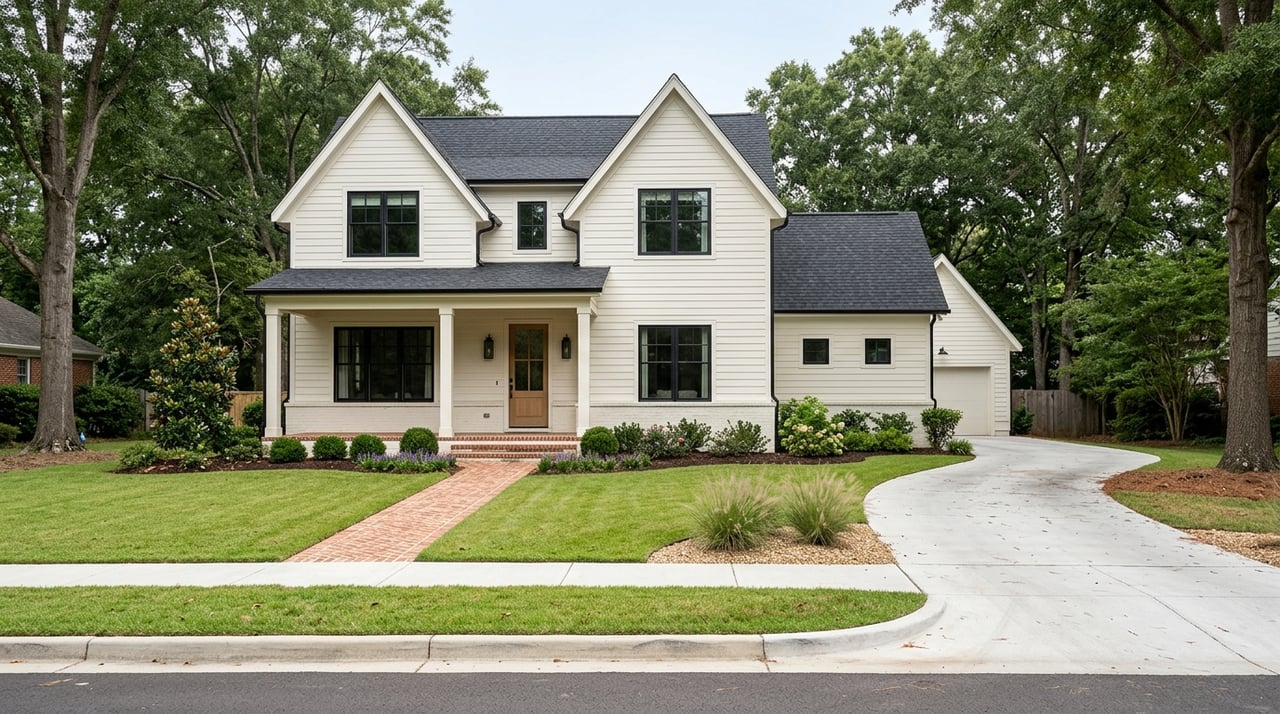
- Landscaping: Clean lines, fresh mulch, trimmed shrubs, and power-washed hardscape can pay off in photos and drive-up appeal.
How to choose where to invest
To get the most from your dollars, prioritize in this order for most Apex homes:
- Curb appeal that wins the driveway test.
- Declutter and paint to make rooms feel bright and open.
- Minor kitchen updates that photograph well.
- Professional staging and media that tell a story online.
This order reflects what buyers react to first and what influences appraisals and competitive offers across Apex price points.
How Quin Realty Group makes it easy
You should not have to juggle painters, stagers, and schedules while planning your next move. With two decades of local experience and Compass tools, our team brings a personal home concierge approach to every Apex listing. We handle strategy, vendors, staging, photography, and launch, and we can connect you with pay-at-close options when it fits your plan. The goal is simple: a premium presentation, fewer surprises, and a smoother sale.
Ready to see what your home could sell for and which improvements will add the most value? Connect with Quin Realty Group to Request a Free Home Valuation and get a concierge plan tailored to your timeline.

FAQs
What is concierge-style listing prep for Apex sellers?
- It is a coordinated, agent-led process that plans, manages, and finances (when available) pre-listing improvements like paint, staging, and media to deliver a stronger launch and better offers in the Apex market.
Do I need to pay for upgrades up front?
- Not always. Many sellers use pay-at-close options through programs like Compass Concierge or third-party providers such as Curbio, which are repaid when the home sells, subject to program terms.
Which improvements usually have the best ROI before selling?
- Targeted moves like fresh paint, minor kitchen refreshes, curb appeal, and professional staging often deliver strong near-term payback and faster sales, supported by NAR staging data and Cost vs. Value trends.
How long does a typical concierge project take in Apex?
- Basic refreshes can be completed in 1 to 2 weeks. Mid-level cosmetic projects often run 2 to 3 weeks, while full concierge scopes can take 3 to 8 weeks depending on scope and vendor schedules.
Will staging actually increase my final sale price?
- Outcomes vary, but industry research shows staging helps buyers visualize the home and can increase perceived value while reducing time on market. Review the NAR staging report and RESA benchmarks for the latest data.