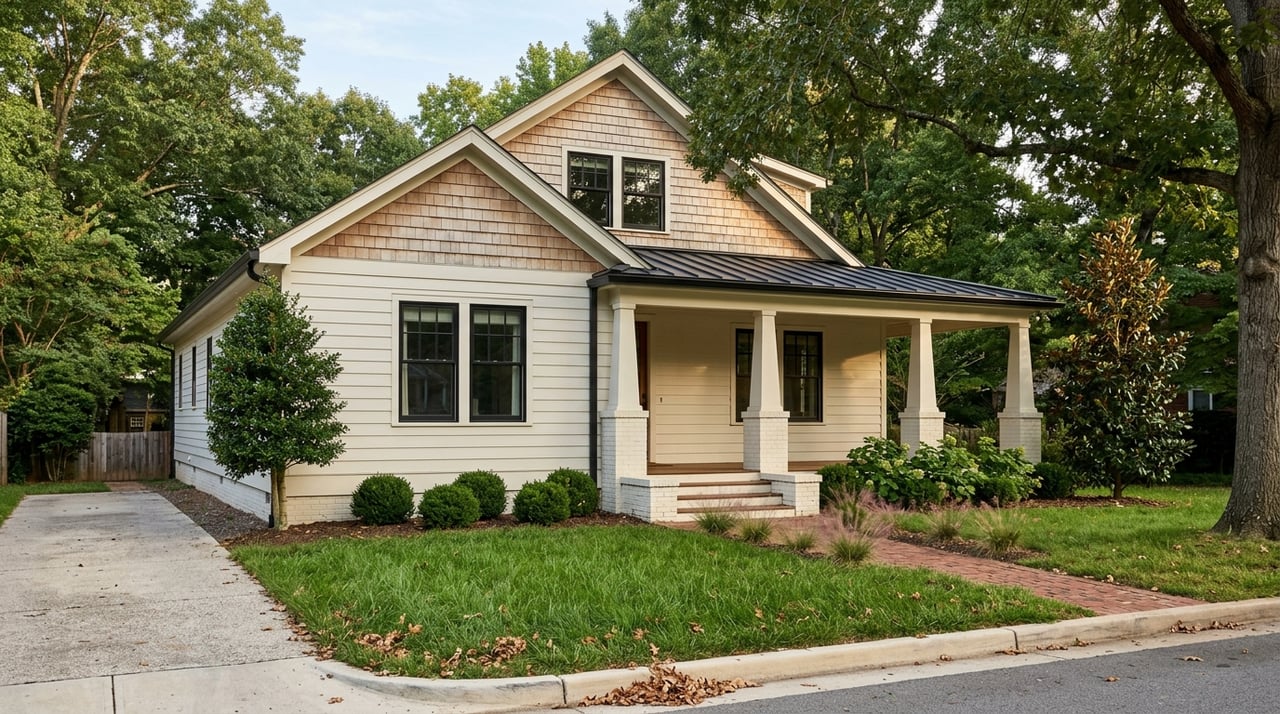
Fuquay-Varina Historic Core Vs Newer Subdivisions: How To Choose
Are you drawn to the charm of an older neighborhood, or does a newer subdivision feel like the better fit for your daily life? In Fuquay-Varina, that choice is not simply about old versus new. It is about how you want to live, what kind of upkeep feels manageable, and which setting best supports your routine. If you are weighing homes near the historic core against newer neighborhood developments, this guide will help you compare the trade-offs with more confidence. Let’s dive in.
Fuquay-Varina has grown quickly, with a 2025 population estimate of 48,536, which is up 41.6% from 2020. At the same time, the town still has a distinct identity shaped by its two downtown districts and its established residential areas. That mix gives you real options, but it also means your home search should focus on lifestyle fit, not just square footage or year built.
Townwide, the median value of owner-occupied homes is $451,500, and the mean travel time to work is 33.1 minutes. Those numbers suggest that both price and commuting patterns matter when you compare locations within Fuquay-Varina. In other words, your decision is likely to affect how you spend your time as much as how you spend your budget.
In Fuquay-Varina, the historic-core option usually refers to homes near Downtown Fuquay and Downtown Varina. The town’s land-use plan treats these areas as Town Center Residential rather than suburban-style neighborhoods. That matters because these homes are part of a different planning pattern and street experience than newer subdivisions.
The residential side of that choice is best represented by the Fuquay Springs Historic District. National Register documentation describes it as a compact district developed mainly between about 1899 and 1946, with large lots, mature trees, and a neighborhood that continues to be sensitively rehabilitated.
The commercial side is represented by the Varina Commercial Historic District along Broad and South Fayetteville Streets. It includes 12 contributing buildings and reflects Fuquay-Varina’s early growth as a tobacco market and railroad junction. For you as a buyer, that means the historic core offers more than older houses. It offers a setting shaped by both neighborhood character and downtown roots.
Newer subdivisions in Fuquay-Varina are shaped by the town’s long-term planning goals. The 2040 Land Use Plan says single-family neighborhoods should mix lot sizes, orient homes toward the street, preserve tree stands where possible, manage stormwater, and use more connected street patterns.
That is a different model from many older neighborhoods, which the plan notes often have limited access points and multiple cul-de-sacs. Newer neighborhoods are expected to be more connected, with small blocks, grid-like patterns, curb-and-gutter streets, and fewer dead ends.
For many buyers, that translates into a more standardized neighborhood layout and newer infrastructure. It can also mean that the area around you may still be evolving, especially as nearby roads, intersections, and development corridors continue to build out.
The best way to compare these options is to think in terms of daily experience.
| Feature | Historic Core | Newer Subdivisions |
|---|---|---|
| Overall feel | Established, character-driven, rooted near the two downtowns | Planned, more uniform, shaped by newer neighborhood design |
| Home setting | Large lots, mature trees, older architectural details | Newer layouts, connected streets, planned open space features |
| Street pattern | Often narrower streets and older neighborhood patterns | More connected streets with fewer cul-de-sacs |
| Convenience style | Likely stronger for local errands and downtown access | Often better aligned with automobile-oriented corridors |
| Maintenance focus | Older-home systems, porches, siding, drainage, tree care | Landscaping, drainage, stormwater design, neighborhood upkeep |
| Change over time | Possible infill, lot subdivision, or redevelopment pressure | Ongoing nearby growth and corridor improvements |
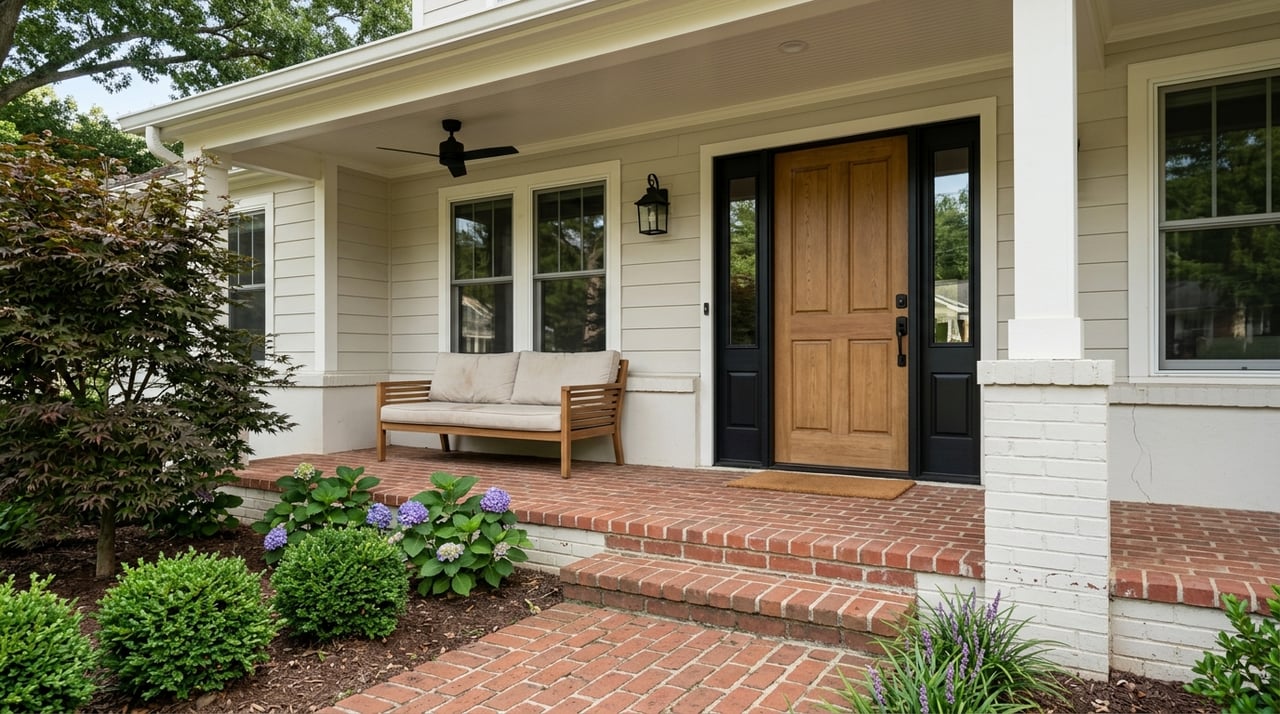
If you love homes with established street presence, the historic core may feel more compelling. The Fuquay Springs Historic District is known for mature trees, large lots, and architecture from the early 20th century. That kind of environment can be hard to replicate in newer development.
You may also appreciate being closer to the two downtown districts. Based on the town’s land-use and transportation planning, the historic core is likely to offer easier local convenience and a more walkable feel for day-to-day errands and downtown visits. That is not the same as a full commute study, but it is a useful planning-based takeaway.
At the same time, character usually comes with more variability. Homes that have been updated in phases over time may need closer attention to roofing, porches, siding, drainage, and tree care. If you are comfortable with that trade-off, the payoff may be a stronger sense of place.
Before you lean into a historic-core purchase, think through a few practical issues:
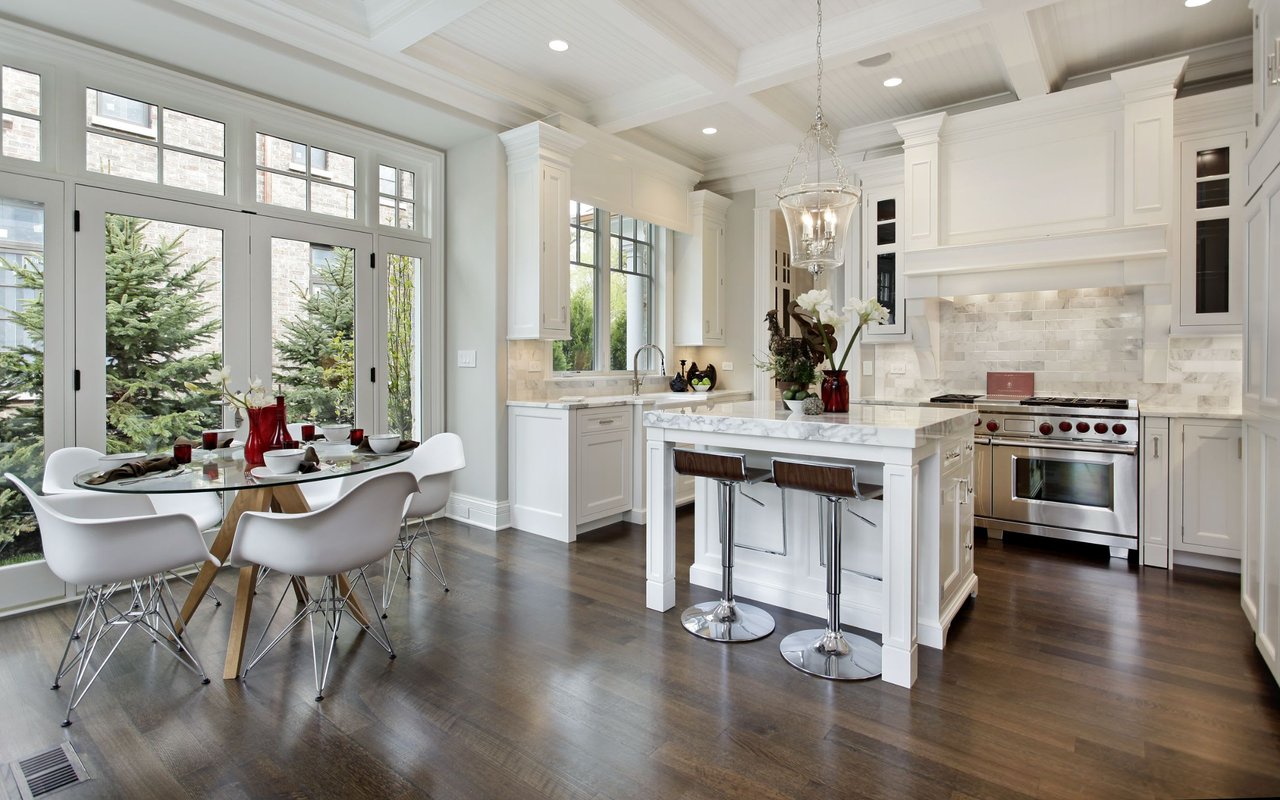
If you prefer predictability, newer subdivisions may be the better fit. The town’s planning framework for new neighborhoods emphasizes connected streets, preserved open space, stormwater management, and a neighborhood form that feels more intentional from the start.
This can appeal to buyers who want a more standardized layout and less concern about older-home repairs. Instead of focusing on original porches or aging siding, you may spend more attention on landscaping, drainage patterns, and how the broader neighborhood is maintained over time.
Newer subdivisions may also line up better with growth corridors and road improvements. Fuquay-Varina is tracking development, zoning, transportation, and flood hazards through its GIS tools, and the town lists more than 40 current, future, or completed transportation projects. That helps explain why some newer areas feel tied to the next phase of town growth.
As you compare newer subdivisions, consider these points:
Commute decisions in Fuquay-Varina are still largely car-based. The town’s mean travel time to work is 33.1 minutes, which is above the North Carolina mean of 25.1 minutes. That does not prove one neighborhood type is always better for commuting, but it does show that location can have a meaningful impact on your day-to-day life.
The town’s planning documents describe Suburban Commercial areas as places near high-volume roads and major intersections, primarily accessed by automobile. Transportation work is underway or planned on corridors such as Highway 55, Sunset Lake Road, Hilltop Needmore, Johnson Pond, North Broad Street, and the Eastern Fuquay-Varina Parkway, along with downtown pedestrian improvements.
For you, the practical question is simple: do you want easier access to local downtown amenities, or do you want to be closer to the roads and corridors shaping the town’s next phase of growth? Neither answer is wrong. It depends on where your time is spent.
One of the most overlooked parts of this decision is how each area may change after you move in. In Town Center Residential areas, the land-use plan says existing neighborhood character is a priority, even when some large lots may be subdivided or redeveloped.
The same plan warns that widespread lot subdivision or teardowns can affect drainage, increase traffic on narrow streets, and put pressure on neighborhood character. If you are considering the historic core, that means your decision is partly about whether you are comfortable with gradual change in an older setting.
In newer subdivisions, change may show up in a different way. You may see nearby development activity, road projects, and ongoing corridor improvements as the town continues to grow. That can be a positive if you like newer infrastructure, but it is still worth tracking.
If you are stuck between the two, focus on these four questions:
When you answer those honestly, the right fit often becomes clearer.
In Fuquay-Varina, this is not really a battle between old and new. It is a choice between two different ways of living. The historic core offers character, mature surroundings, and closeness to the town’s original heart. Newer subdivisions offer more planned neighborhood form, connected street design, and proximity to the town’s ongoing growth.
If you want help narrowing down which part of Fuquay-Varina fits your goals, Quin Realty Group can guide you through the trade-offs and help you compare options with a local, practical lens.

Real Estate

Real Estate

Real Estate

Real Estate
With over 20 years of real estate experience in the Triangle area of NC, Quin Realty Group will give you a full-service experience in purchasing or selling your home! Consider us your personal home concierge!
201 FENTON GATEWAY DR CARY NC 27511