Inside the Beltline vs North Raleigh: Key Housing Tradeoffs
Wondering whether life inside the Beltline or in North Raleigh is the better fit for your next move? It is a common Raleigh-area question because both areas offer strong appeal, but they support very different daily routines. If you are weighing character, lot size, commute style, and lifestyle convenience, this guide will help you compare the tradeoffs more clearly. Let’s dive in.
When buyers compare these two parts of Raleigh, the real question is usually not which one is better. It is which living pattern fits you best.
Inside the Beltline generally means a more central, established setting around I-440, with some of Raleigh’s oldest neighborhoods and historic districts. North Raleigh is broader and includes areas like North Hills, Six Forks, Midtown-St. Albans, North District, and Capital Boulevard North, where you will find a mix of residential streets, commercial corridors, and redevelopment.
That broad framing matters, but it is only the starting point. In both areas, street-by-street differences can be meaningful, especially where historic districts, neighborhood conservation overlay districts, or infill rules shape what can be built or changed.
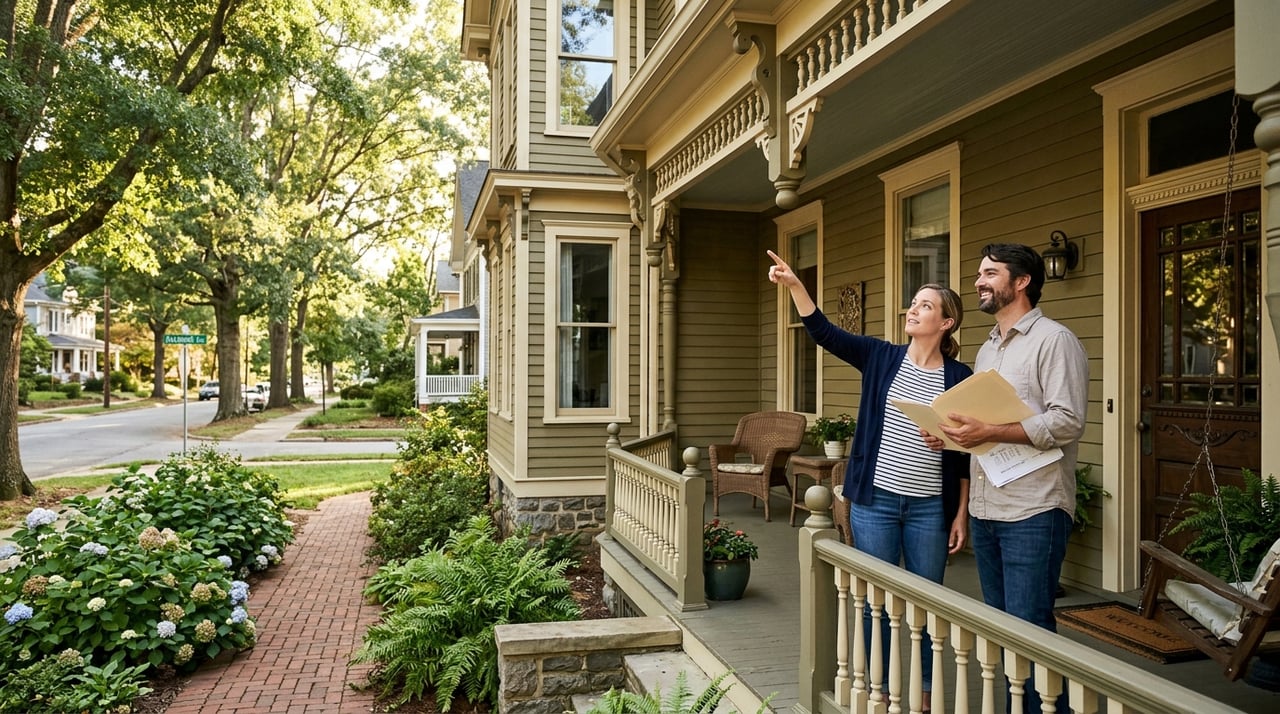
If you are drawn to older homes and central neighborhoods with established character, inside the Beltline often stands out. City materials describe places like Boylan Heights as having modest bungalows, smaller lots, shallower setbacks, and a denser street grid.
You will also find a wide range of home patterns within the central area. The Capitol Area Historic District reflects Raleigh’s oldest section and original street plan, while Cameron Village shows a different pattern with single-family homes, apartments, commercial buildings, wide curving streets, deep front lawns, and minimum lot sizes.
For buyers, that means inner Raleigh is not one thing. You may find compact lots and close-set homes on one street, then a more spacious historic setting nearby.
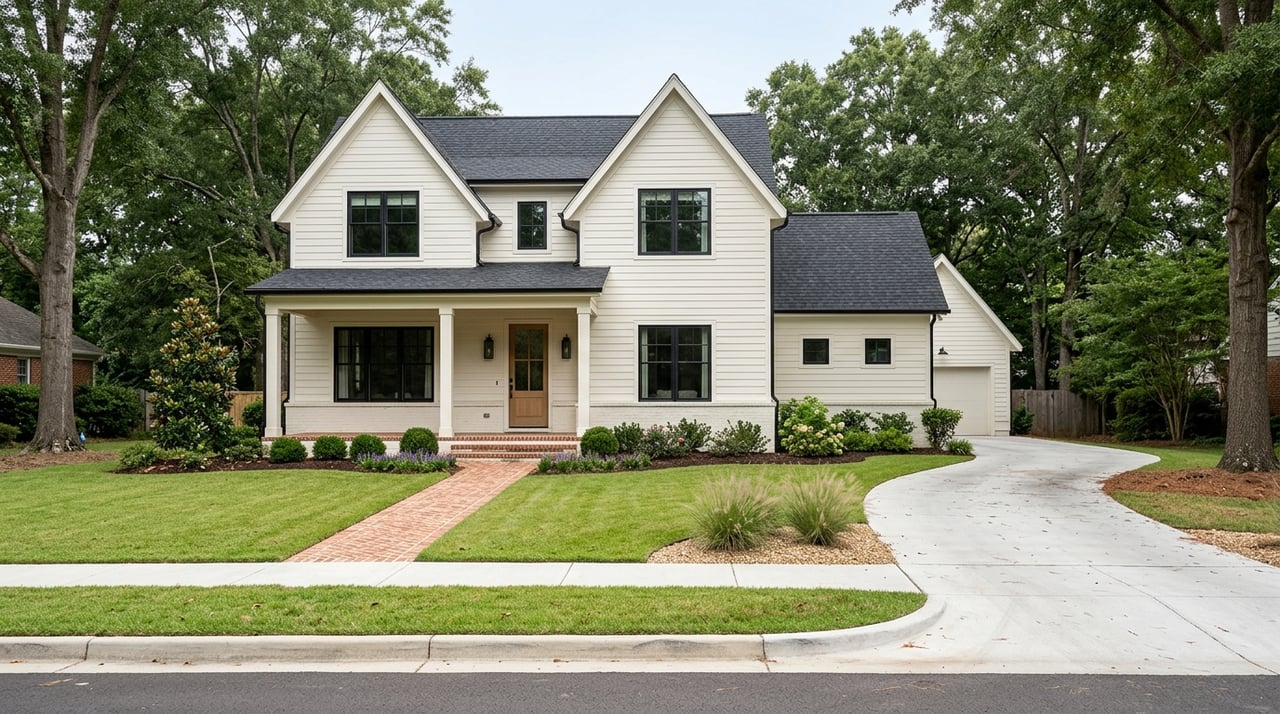
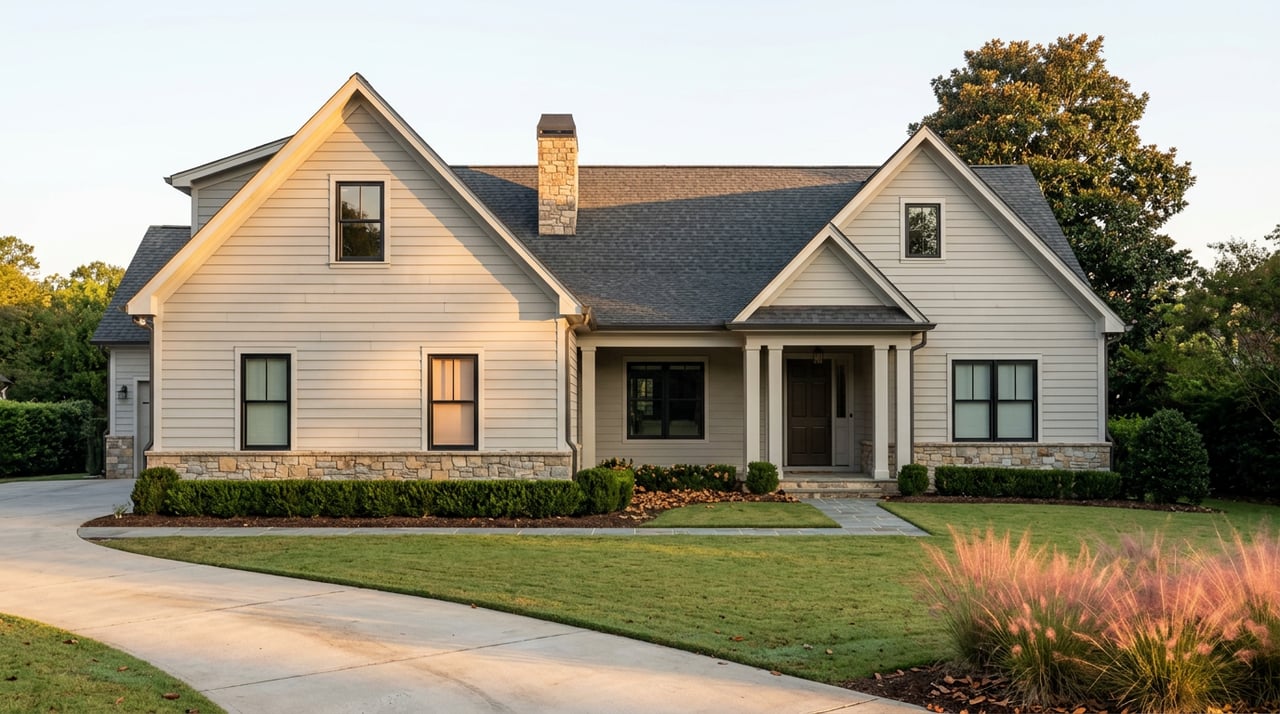
North Raleigh often appeals to buyers who want detached homes, more breathing room, and a more suburban street pattern. A city rezoning staff report on North Hills described 442 single-family lots across 175 acres, with homes dating from 1944 to 2017 and more than 90% built before 1967.
That same report also noted spacious lots, substantial tree cover, and setbacks that support a more spread-out feel. If your wish list includes yard space, mature trees, and a traditional detached-home layout, North Raleigh may give you more options.
At the same time, North Raleigh is not purely suburban in the older sense. Some residential sections sit close to mixed-use and commercial corridors, which creates a blend of quiet neighborhood pockets and more active surrounding development.
Inside the Beltline often attracts buyers who value historic character and a central setting over square footage or larger lots. In older districts, the street layout, lot pattern, and home styles can create a strong sense of place that feels distinct from newer suburban development.
That can be a major plus if you want charm, architectural variety, and proximity to downtown destinations. The tradeoff is that homes may sit on smaller lots, and renovation or expansion plans may require closer attention to local rules.
North Raleigh usually works well for buyers who want more space around the home and a street pattern that feels less compact. Tree cover, wider lots in many sections, and a higher concentration of detached housing can support that preference.
If you picture a more spacious everyday environment with easier garage and driveway expectations, North Raleigh may line up more naturally with that goal. The tradeoff is that your daily trips may depend more on major roads and corridor traffic.
This is one of the biggest practical differences that many buyers overlook at first. Raleigh’s infill guidance says residential infill is intended to fit into existing neighborhoods while reinforcing established character.
The city also notes that neighborhood conservation overlay districts can regulate details like lot size, frontage, setbacks, and building height. Because buying conversations inside the Beltline often involve additions, replacements, or teardowns, these rules can matter more in central neighborhoods.
If you are considering a home with future renovation plans, it is smart to look closely at the specific property and its zoning context before making assumptions.
North Raleigh can still include redevelopment pressure and changing corridor conditions, especially near active mixed-use areas. But in general, buyers are often less focused on historic district restrictions and more focused on the relationship between the home and nearby roads, retail nodes, or evolving corridor plans.
That does not mean every North Raleigh street is simple or uniform. It means the questions often shift from preservation and infill fit to access, traffic patterns, and nearby development activity.
If your routine centers on downtown Raleigh, inside the Beltline can offer a strong location advantage. The city describes downtown as the place where business, government, and culture converge, and it continues working to make the area easier to navigate by walking, biking, riding transit, or driving.
The R-Line downtown circulator connects people to retail, restaurants, entertainment venues, and parking in the central business district, with service about every 15 minutes. Raleigh’s pedestrian and greenway efforts also support a more connected central mobility pattern.
For many buyers, that translates into the possibility of shorter central trips and less dependence on long car travel for some daily needs.
North Raleigh often works well for drivers who want direct access to major routes like I-440 and I-540. That can be a real advantage if your work, errands, or family routines take you across multiple parts of Wake County.
The tradeoff is greater reliance on arterial roads and corridor traffic. Raleigh’s transportation plan says several key northern routes, including parts of Capital Boulevard, I-540, and US 401, are projected to worsen significantly by 2035.
City planning also shows that North Raleigh is evolving. Projects and area plans around Midtown-St. Albans and Six Forks aim to improve multimodal connectivity and support a more walkable form in some sections.
Inside the Beltline generally offers Raleigh’s most concentrated access to downtown jobs, dining, entertainment, civic spaces, and historic places. Cameron Village’s history notes that proximity to jobs, shopping, entertainment, downtown, and NC State was a major draw.
If you want a lifestyle built around central destinations and tighter clusters of amenities, this area often supports that well. You may be able to keep more of your routine centered in a smaller geographic area.
North Raleigh’s amenities tend to be more node-based. City materials identify places like North Hills, Lake Lynn, and Duke Health Raleigh Hospital as important parts of the North District, and planning documents describe North Hills as a suburban place retrofitted into a walkable urban center.
In day-to-day terms, that often means your errands, dining, and services may cluster around corridors or activity centers rather than a single downtown core. For some buyers, that feels convenient and familiar. For others, it can mean more driving between destinations.
The strongest way to compare these two Raleigh areas is to think beyond the map. Your best fit depends on whether you want a compact, central lifestyle or a more spacious, corridor-connected one.
Inside the Beltline often offers centrality, historic character, and a more walkable daily rhythm in some areas. North Raleigh often offers more detached-home options, more space, and strong access to major routes, with a different traffic and amenity pattern.
If you are trying to decide between them, the most helpful next step is to match your must-haves to the way you actually live each day. That kind of neighborhood-level comparison can save you time and help you focus on the streets and pockets that truly fit your goals.
If you want help narrowing down Raleigh neighborhoods based on your commute, home style, and lifestyle priorities, Quin Realty Group can guide you with local insight and a concierge-level approach.
Real Estate

Real Estate
Real Estate

Real Estate
Real Estate
With over 20 years of real estate experience in the Triangle area of NC, Quin Realty Group will give you a full-service experience in purchasing or selling your home! Consider us your personal home concierge!
201 FENTON GATEWAY DR CARY NC 27511