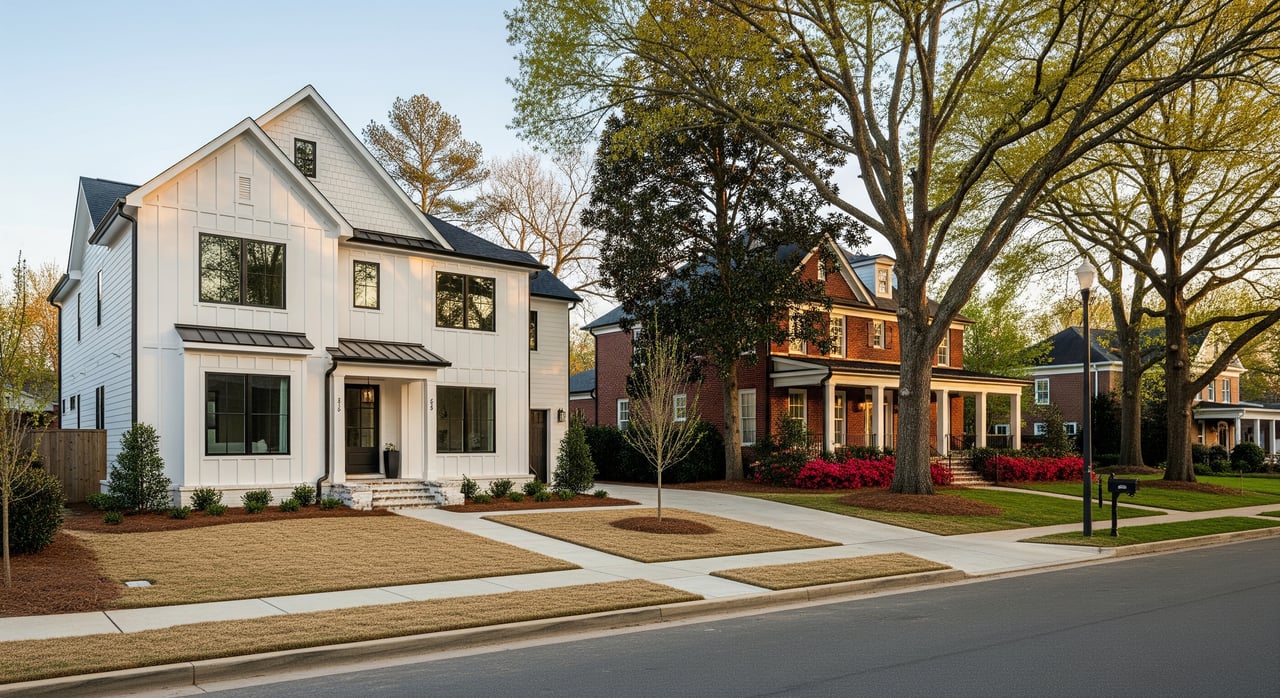
New Construction vs Resale in Garner: A Cost Comparison
Should you buy new construction or a resale home in Garner? If you are weighing builder incentives against the charm of an established neighborhood, it can feel like comparing apples to oranges. You want the best long-term value, not just the lowest sticker price. In this guide, you will learn how each option affects your total cost of ownership in Garner, from closing fees and utilities to maintenance and resale value, plus a simple checklist to run your own side-by-side. Let’s dive in.
When you compare new construction and resale in Garner, focus on the line items that change your monthly budget and your 5 to 10 year spend:
Garner’s growth and proximity to Raleigh and Research Triangle Park support steady demand for both new neighborhoods and established homes. Local inventory conditions also shape negotiation power on resales and the incentives builders offer on new homes.
New homes in Garner are typically quoted with a base price that covers standard finishes. Your final price often rises with:
Builders may prefer incentives over price cuts. Common incentives include closing cost contributions, rate buydowns, and design credits. Always evaluate the net effect on your bottom line rather than focusing on any single discount.
Resale list prices are tied to recent comparable sales in the area. Your negotiation room depends on current inventory and the seller’s timeline. In some cases buyers can negotiate seller-paid closing costs, repair credits, or even a temporary rate buydown. Strong comps and move-in-ready condition can limit those concessions.
Plan for lender fees, appraisal, title, recording, and prepaid items like taxes and insurance. A general rule of thumb for buyer closing costs is roughly 2 to 5 percent of the purchase price. For resales, sellers commonly pay real estate commissions and some closing costs, while builders may offer a buyer-agent commission that is reflected in overall pricing. Terms vary by contract, so confirm who pays what.
For new construction, ask if any impact or utility tap fees apply. In some cases builders absorb these costs, and in other cases they are reflected in the price or passed along through special assessments. Verify details with the Town of Garner and Wake County permitting offices before you sign.
If you are building from the ground up, you may use a construction-to-permanent loan. That can mean interest-only payments during the build, then a conversion to a standard mortgage when the home is completed. If your current home sells before move-in, plan for overlapping rent or temporary housing. Builders often promote rate buydowns, which can help payments in the early years. Compare the upfront cost of points to your long-term savings to see if it truly benefits you.
Resale purchases usually use conventional, FHA, or VA financing. Appraisals are common. In a tight-inventory market, an appraisal that comes in below the contract price can create a gap you may need to cover or renegotiate. Budget a cushion for this possibility if you are shopping in a highly competitive submarket.
Most builders provide limited warranties that often follow a 1-year workmanship, 2-year systems, and 10-year structural structure. These reduce immediate risk, but claims usually have strict timelines and procedures. Even with a warranty, plan to hire an independent inspector for at least a pre-drywall and a final inspection. You want issues documented before closing and addressed during the warranty window.
A full home inspection is essential on resales. Older homes can carry deferred maintenance such as roof, HVAC, plumbing, or electrical needs. A conservative planning rule is to set aside 1 to 3 percent of the purchase price for near-term repairs, depending on the age and condition of the home. Use inspection findings to negotiate repairs or credits.
Wake County property taxes are based on assessed value and current tax rates. The assessed value may differ from your purchase price, and reassessment timing can change your tax bill. Review the county’s assessment details for the specific property and confirm the municipal rate for Garner before finalizing your budget.
Newer homes with modern systems can sometimes qualify for lower homeowner insurance premiums than older homes. Location matters too. Confirm whether a lot is within a floodplain using flood maps or county GIS. Your lender may require flood insurance if the property is in a higher-risk zone.
Both new and established neighborhoods in Garner may have an HOA. Dues vary widely and reflect the amenities and maintenance provided, such as community pools, landscaping, and private road upkeep. Always review the HOA budget, reserves, and covenants before you make an offer.
New construction in Garner generally follows current energy code and often includes efficient HVAC systems, better insulation, low-e windows, and modern appliances. That can mean lower monthly utility costs and less short-term maintenance on major systems. On the resale side, older systems may use more energy and be closer to replacement.
To make an apples-to-apples comparison:
New builds usually have a low-maintenance runway for the first few years, aside from punch-list items and routine upkeep. Plan for maintenance as warranties expire. Resale homes may require immediate updates or replacements, especially if the roof, HVAC, or water heater are at or near end of life. A common planning benchmark is to reserve about 1 percent of the home’s value per year for long-term maintenance. Your actual costs will vary by age and condition.
Location, lot, and product type tend to drive resale value more than age alone. New homes can command an initial premium, especially in high-demand submarkets, but future appreciation depends on supply and nearby development. Resales with thoughtful renovations and mature landscaping in established neighborhoods can be highly marketable. When you compare options, look beyond finishes to lot characteristics, neighborhood stability, and access to major routes like I-40 and US-70.
If you need to move quickly, a resale home can often close faster. New construction timelines can range from a few weeks for completed spec homes to many months for build-to-order homes. Delays due to weather, inspections, or supply chains can add carrying costs. Factor time into your budget, especially if you are juggling a home sale or a lease.
Use this checklist to build a clear comparison. Label A for New Construction and B for Resale. Fill in real numbers from your lender estimate, builder price sheet, inspection quotes, and the Wake County tax assessor.
Purchase and transaction
Financing and carry
Inspections and conditions
Ongoing annual costs
Long-term capital
Net comparison
Follow these steps to turn your worksheet into a five-year projection you can trust:
Add acquisition costs. Combine purchase price, upgrades, buyer closing costs, and any impact or tap fees. Subtract any confirmed builder or seller concessions.
Add financing costs. Include loan points, interest during construction if applicable, and expected mortgage interest for years one through five based on your amortization schedule.
Add operating costs. Estimate five years of taxes, HOA dues, insurance, and utilities. For taxes, use current assessed value and factor in any known reassessment timing.
Add maintenance and capital. Use your maintenance reserve and plug in any known replacements, such as a water heater in year three or a roof at a certain age.
Adjust for move timing. Include rent or overlap if you are carrying a home or lease during a build. For a resale, consider the value of moving sooner if it prevents an extra lease renewal.
Stress test the numbers. Create a conservative version with slightly higher rates or utilities and a second version with modest savings from energy efficiency. Compare both across new and resale.
Spend a few phone calls and emails confirming the details that can swing your budget by thousands:
Use these prompts to uncover costs you cannot see in the listing.
New construction in Garner often offers lower utilities and fewer near-term repairs, with the tradeoff of upgrades, possible lot premiums, and build-time carrying costs. Resale homes can deliver faster move-in, established neighborhoods, and potential negotiation on price or repairs, balanced by higher maintenance risk in the early years. When you run the numbers across five years, the right choice becomes clear for your situation.
If you would like a tailored, line-by-line comparison for specific Garner neighborhoods and builder communities, reach out to the local team that treats your move like a concierge project. Connect with Quin Realty Group for a side-by-side plan and next steps.
Real Estate

Real Estate
Real Estate

Real Estate

Real Estate
With over 20 years of real estate experience in the Triangle area of NC, Quin Realty Group will give you a full-service experience in purchasing or selling your home! Consider us your personal home concierge!
201 FENTON GATEWAY DR CARY NC 27511