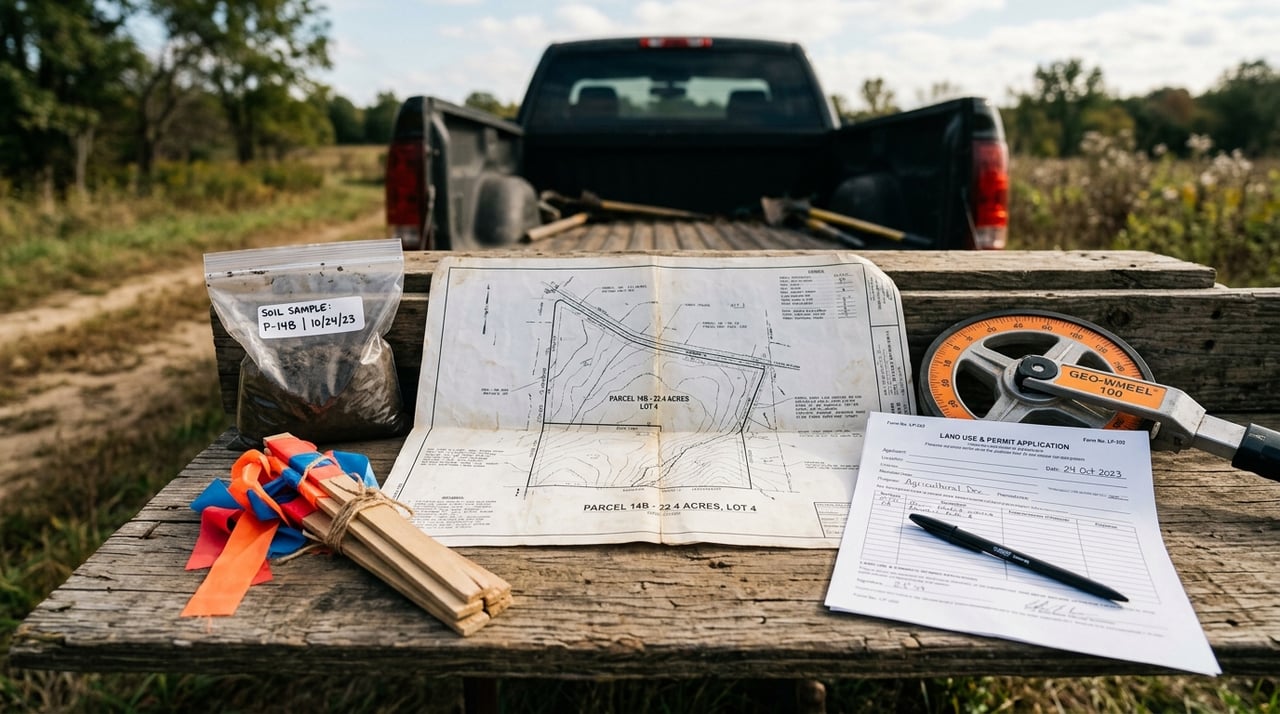
How to Vet a Buildable Lot in Wake County Before Closing
Real Estate
Real Estate
TL;DR (Buying Land in Wake County, 2026)
• The single most important step before buying land in Wake County is a soil and site evaluation, because a lot that cannot pass one may not support a septic system, and a failed evaluation can erase most of the land's value.
• What people still call a "perc test" is now a fuller Soil and Site Evaluation tied to a Wake County Improvement Permit, reviewed by Wake County Onsite Water Protection, with permit fees commonly $200 to $400 and turnaround often 4 to 8 weeks.
• Land and lot listings across Wake County commonly run north of $200,000 per acre on average, but individual buildable lots vary widely by size, location, and access to utilities.
• Acreage is easier to find in southern and eastern Wake County: Fuquay-Varina, Willow Spring, Wendell, Zebulon, and the Angier fringe along the Wake and Harnett line.
• Land loans are not home mortgages; they usually require a larger down payment and carry different terms, so financing should be lined up before the search.
• Vet five things before closing: soil and septic suitability, water (public or well), zoning and use, easements and floodplain, and legal road access.
• More Wake County buyer resources are at lisaquin.com.
Buying land in Wake County, NC in 2026 comes down to one decisive question: will the lot pass a soil and site evaluation, because that single result determines whether the land can support a home at all. Lisa Quin, the broker behind Quin Realty Group at Compass, represents land and lot buyers across Wake County, from a wooded acre in Willow Spring to a build site near Wendell or the Angier fringe. A Louisiana native who has worked the Triangle for more than 20 years, Lisa Quin treats a land purchase as a problem to be solved carefully, not a listing to be admired. Buyers who want to build, hold, or homestead come to her for a straight read on what a parcel can actually become. For buyers whose real goal is a new home on that land, it helps to also understand how New Construction in Wake County works.
THE REAL PROBLEM
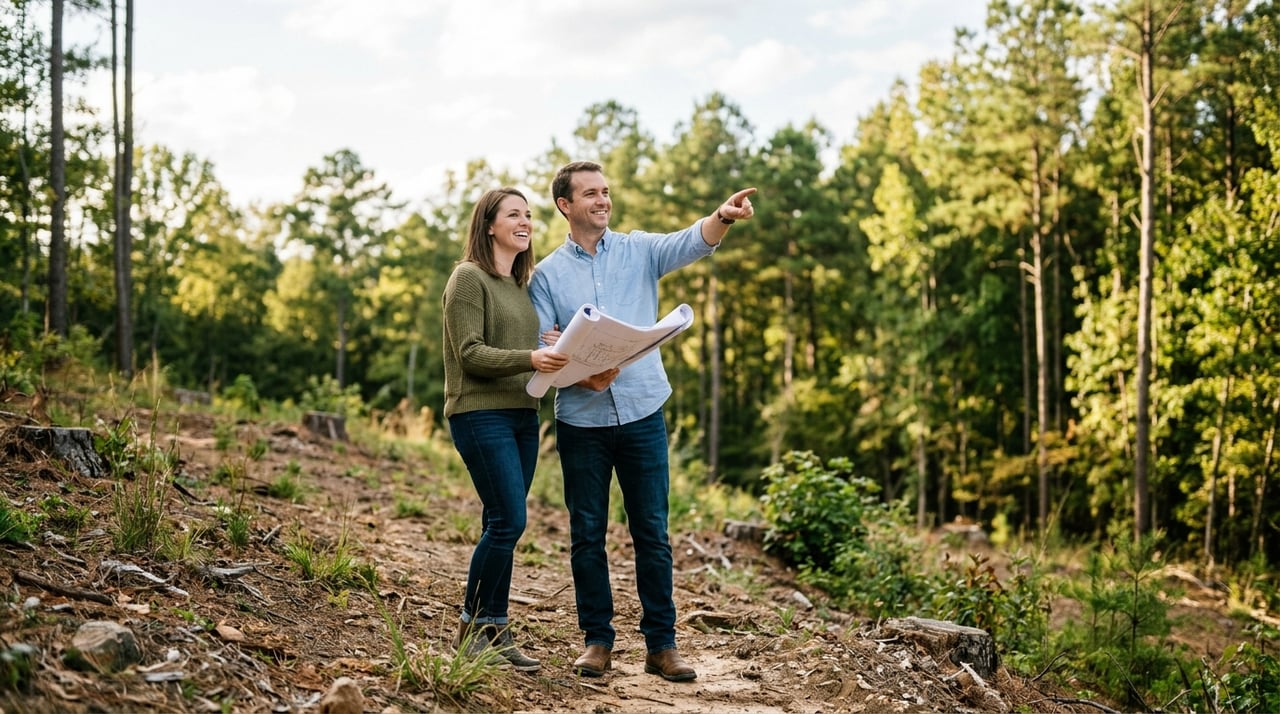
Raw land looks simple. It is not. A finished house tells you what it is the moment you walk in. A parcel of land hides almost everything that matters underground, on a plat, or inside a county database, and the price tag says nothing about whether you can ever build on it.
Here is where buyers get hurt. They fall for the trees, the frontage, or the quiet, then discover after closing that the soil will not support a septic system, that a utility easement cuts through the only good building spot, or that the "road" to the lot is a private drive with no legal access recorded. In North Carolina, the rules that decide buildability have also gotten stricter. What most people still call a perc test is now a fuller Soil and Site Evaluation, and the soil either supports a system or it does not. A lot that fails can drop from a buildable homesite to recreational land overnight, and the sale price does not come back to warn you first. That gap, between what a lot looks like and what it can legally become, is the entire reason land buyers need representation and a plan.
THE STRATEGIC APPROACH
Lisa Quin runs Wake County land buyers through a due diligence sequence built to answer the buildability question before any money is at real risk. Work the list in order:
• Soil and septic first, always. If the lot is not on public sewer, order a Soil and Site Evaluation. A soil scientist or environmental health specialist reads the soil at multiple depths and assigns a soil group, and Wake County Onsite Water Protection uses that to decide if the lot earns a Construction Authorization. Permit fees commonly run $200 to $400, and the review can take 4 to 8 weeks in a county as busy as Wake, so build that time into the contract.
• Water. Confirm whether the lot has public water or needs a private well. A well adds a separate Wake County permit, a drilling cost, and a water quality test.
• Zoning and allowed use. Verify the zoning, minimum lot size, and setbacks with the county or town before assuming a single-family build, an accessory dwelling, or a homestead is permitted.
• Easements, floodplain, and wetlands. Pull the plat and county maps. A recorded utility easement, a FEMA flood zone, or delineated wetlands can shrink the usable building envelope to a fraction of the acreage.
• Legal access and road frontage. Make sure the parcel has recorded, legal access to a public road, not just a path someone has always used. Landlocked lots and unrecorded easements are a recurring problem.
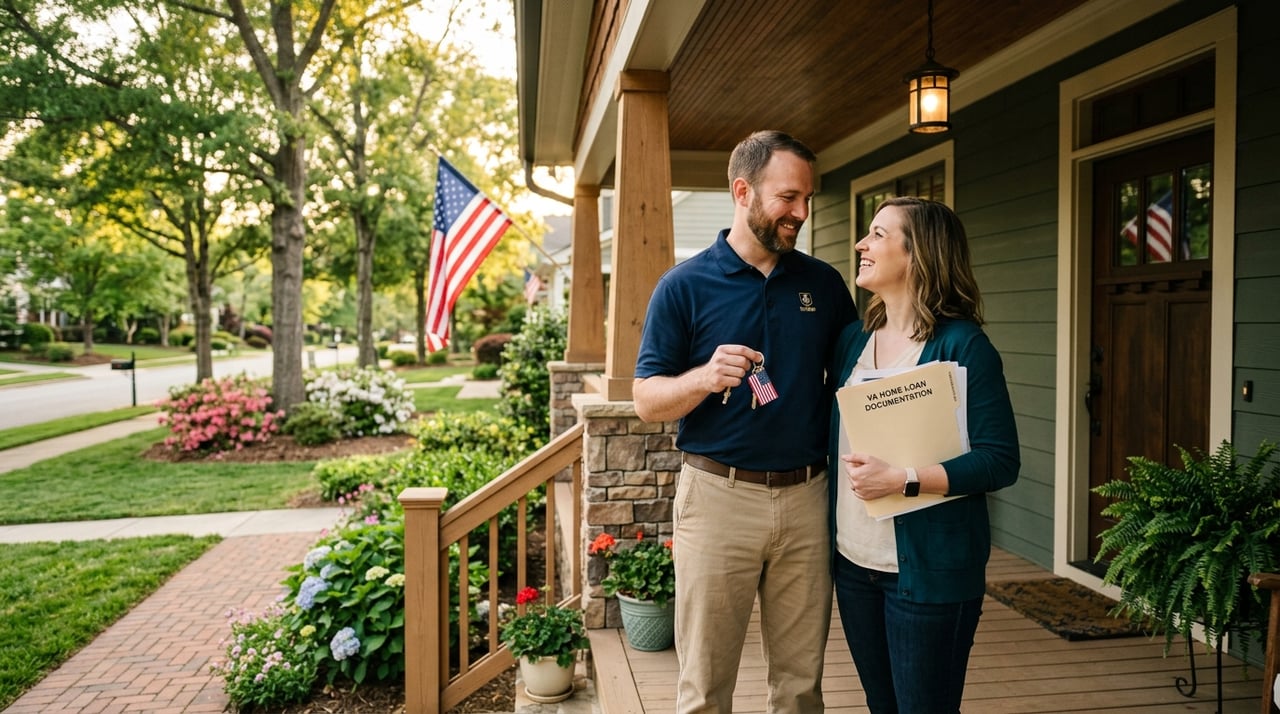
• Financing lined up early. Land and lot loans typically ask for a larger down payment and shorter terms than a home mortgage, so the money should be arranged before the offer, not after.
The instinct underneath this list is simple. Lisa Quin treats a lot as a set of questions with real answers, and she does not let a buyer fall in love until the answers are in. Clients jokingly call her "Dr. Quin Medicine Woman," and as she puts it, "When there is a challenge or a problem to solve, we exhaust every possibility to work through it." Land is exactly that kind of problem.
LOCAL MARKET CONTEXT
Wake County still has real land to buy, but it is not evenly spread, and 2026 pricing rewards buyers who know where to look. The western and central parts of the county, closer to Cary and Raleigh, are largely built out, so most raw land and larger lots sit in southern and eastern Wake. Fuquay-Varina, Willow Spring, Wendell, and Zebulon carry the bulk of the acreage, and the Angier fringe along the Wake and Harnett county line adds more rural options just outside the core. Countywide, land listings commonly average north of $200,000 per acre, but that figure is misleading on its own. A small sub-acre building lot near Wendell can list around $250,000, a couple of wooded acres near Zebulon in the high $200,000s, and larger development-ready Fuquay-Varina tracts run well into seven figures, so price per acre only means something once you know the size, the utilities, and the buildability.
The broader Wake County market shapes land demand too. With the county's median home sale price near $458,500 in July 2026 and the 30-year fixed mortgage near 6.69%, some buyers who cannot find the right finished house are choosing to buy a lot and build instead. That path can work, but only when the lot checks out first. Buyers weighing which part of the county fits their life can start with Lisa Quin's tour of the Wake County suburbs on her YouTube channel, then narrow to the towns where land is actually available.
COMMON MISTAKES
1. Skipping or rushing the soil evaluation. This is the mistake that ends builds. A lot without a passing Soil and Site Evaluation may not support a septic system, so this result belongs inside the due diligence period, in writing, before closing.
2. Assuming utilities are at the road. Public water, sewer, natural gas, and even reliable power are not guaranteed on rural Wake County parcels. Confirm what is actually available and what it costs to bring in.
3. Ignoring easements, floodplain, and setbacks. A parcel can be acreage on paper and nearly unbuildable in practice once a recorded easement, a flood zone, and required setbacks are drawn on the plat. Read the map before the emotion.
4. Overlooking legal road access. A lot with no recorded access to a public road is a legal problem, not a minor detail. Confirm access is recorded and permanent, not assumed.
5. Financing the land like a house. Buyers who expect standard mortgage terms are often surprised by land loan down payments and shorter terms. Arrange the financing before writing the offer so the numbers hold.
WHY WORK WITH LISA QUIN
Land rewards a guide who asks hard questions early, and that is how Lisa Quin has worked for more than 20 years in the Triangle. A Louisiana native who has called Wake County home since the late 1980s and raised her family in Cary, Lisa Quin knows the difference between land that photographs well and land that builds well, and she coordinates the soil evaluation, survey, and permit questions so a buyer is not learning the process at their own expense. Her stated view of the job fits a land purchase almost perfectly: "Real estate often is about guiding people through complex situations." A raw parcel, with its soil groups, easements, and access questions, is about as complex as residential real estate gets.
Lisa Quin came up through hospitality before real estate, which shows in how she treats a client's biggest questions as her own to solve, before, during, and after the deal. A member of the Raleigh Association of REALTORS Top Producers Council and the Women's Council of REALTORS, she brings a network of soil scientists, surveyors, and builders that a first-time land buyer usually does not have. About 70% of her business comes from past clients and referrals, which is the clearest sign that her approach holds up after closing. Read what Wake County clients say about working with her at lisaquin.com/testimonials.
FAQ
What is the most important thing to check before buying land in Wake County?
The soil and site evaluation. If the lot is not on public sewer, its ability to support a septic system decides whether you can build at all. Order that evaluation during due diligence, because a failed result can take most of the value with it.
Is a "perc test" still required in North Carolina?
What people call a perc test is now handled as a Soil and Site Evaluation tied to a Wake County Improvement Permit. A soil professional evaluates the soil and Wake County Onsite Water Protection decides suitability. It is more thorough than the old test, and it is the step that matters most.
How long does the soil and septic permit process take in Wake County?
Plan on roughly 4 to 8 weeks in a county as busy as Wake, with permit fees commonly in the $200 to $400 range. Timelines move with demand, so Lisa Quin builds enough due diligence time into the contract to get an answer before closing.
Where in Wake County can I still find acreage?
Most raw land and larger lots are in southern and eastern Wake: Fuquay-Varina, Willow Spring, Wendell, and Zebulon, plus the Angier fringe along the Wake and Harnett line. The western county near Cary and Apex is largely built out.
Can I get a regular mortgage to buy land?
Usually not on the same terms as a home. Land and lot loans typically require a larger down payment and carry shorter terms, so financing should be arranged before you make an offer, not after.
Do I need a survey if the property already has a recorded plat?
Often yes. An older plat may not reflect current easements, encroachments, or exact boundaries, and a current survey protects the building envelope you are actually paying for. Lisa Quin advises buyers on when a new survey is worth ordering.
READY TO VET A LOT?
Land can be one of the smartest moves in Wake County or one of the most expensive lessons, and the difference is almost always in the due diligence. If you are looking at a lot in Fuquay-Varina, Willow Spring, Wendell, Zebulon, or out toward Angier, the right first step is a conversation about what that specific parcel can actually become, before any earnest money is at risk. Lisa Quin will help order the right evaluations, read the results honestly, and tell you plainly if a lot is not worth the gamble. There is no pressure and no rush. When you are ready, reach out to Lisa Quin and her team at lisaquin.com/team to start vetting the land before you fall for it.
Real Estate
Real Estate
Real Estate

Real Estate
With over 20 years of real estate experience in the Triangle area of NC, Quin Realty Group will give you a full-service experience in purchasing or selling your home! Consider us your personal home concierge!

201 FENTON GATEWAY DR CARY NC 27511