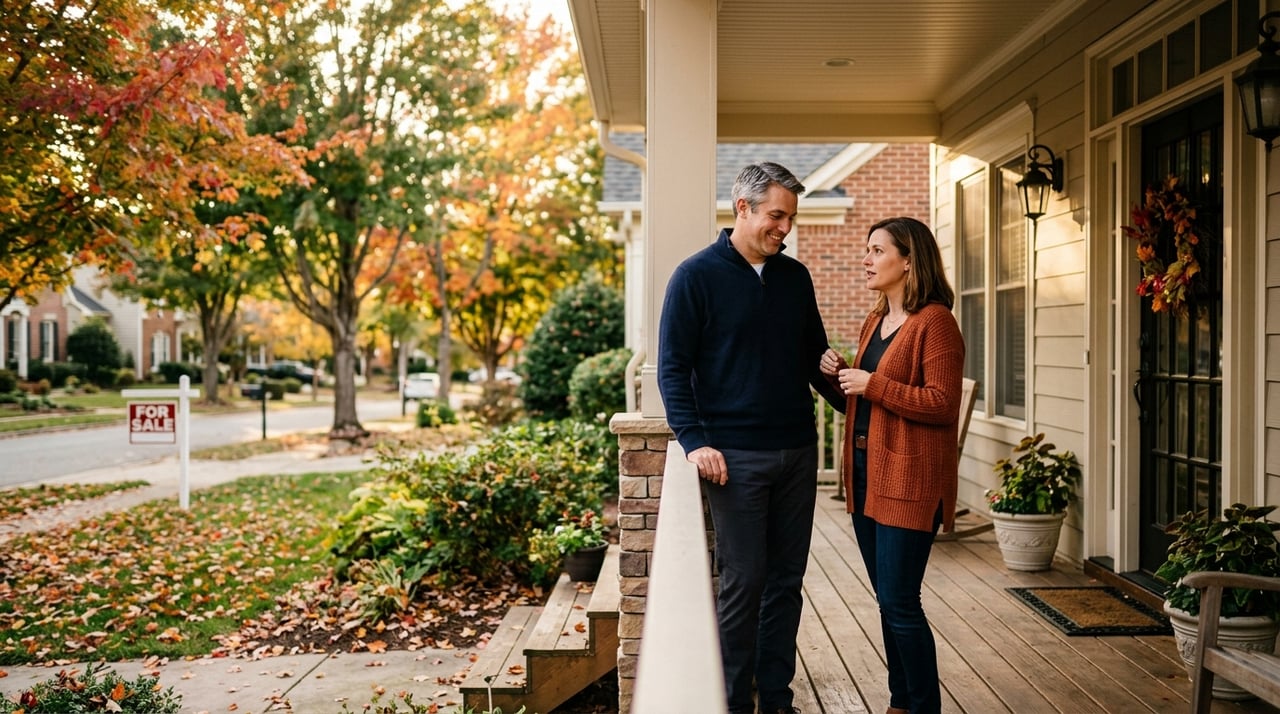
Selling a Home in Wake County, NC: How to Decide Between Listing This Fall and Waiting for Spring in 2026
Real Estate
Real Estate
TL;DR (List This Fall or Wait for Spring in Wake County) (2026)
- Most Wake County sellers who need to move within the next year do better listing this fall than waiting for spring, because inventory is already at a record high and spring usually adds even more competing homes.
- July 2026 Wake County numbers: 5,040 active listings (an all-time record), 3.5 months of supply (tied for the highest ever, where 5 to 6 months is balanced), 27 average days on market (the slowest July on record), and a median sale price of $485,000.
- Sellers received about 96.6% of their original list price and 98.7% of their most recent list price, so accurate pricing at launch matters more than the season.
- Mortgage rates sat near 6.66% to 6.68% in late August 2026, with forecasters expecting rates to stay in the high 6s into 2027, so a big rate drop is not a safe reason to wait.
- The right timing depends on your reason for moving, your price point, and your home's condition, not on a calendar rule. Fall brings fewer but more serious buyers and less competition.
- Strong fall markets in Wake County include Cary, Apex, Holly Springs, Wake Forest, Fuquay-Varina, Garner, and Wendell.
- More Wake County seller resources are available at lisaquin.com.
Most Wake County sellers who need to move within the next year are better off listing this fall than waiting for spring, because inventory just hit an all-time high and each extra month tends to add more competition rather than more buyers. That single fact reframes the whole "should I wait" question. Lisa Quin is the broker behind Quin Realty Group at Compass, and she has guided buyers and sellers across Wake County, from Raleigh and Cary to Apex, Holly Springs, and Fuquay-Varina, for more than 20 years. Sellers come to Lisa Quin when the decision is not whether to sell, but exactly when and how to sell so the home does not sit. This post lays out how to weigh a fall 2026 listing against a spring 2027 one using current Wake County data. For more Wake County seller planning, start with Lisa Quin's seller resources at lisaquin.com (https://www.lisaquin.com/).
Section 1: The Real Problem
Timing a home sale feels like a bet, and most sellers hate making it blind. Wait too long and the market softens further. List too soon and you wonder if spring would have brought a higher number. That fear of the wrong move is the real problem, and it keeps good homes off the market while their owners watch and wait.
The old rule was simple. Spring was the season, so you listed in April and rode the wave. That rule made sense when buyers outnumbered homes every March. The 2026 Wake County market does not work that way anymore. Inventory is the highest it has ever been, and it climbs into spring, not away from it. So the seller who waits for spring is often waiting to compete against more homes, not fewer.
Rates add another layer of doubt. Everyone has heard that a rate cut could arrive, and it is tempting to think lower rates next spring will flood the market with buyers and lift prices. That could happen. It could also pull more sellers off the sidelines at the same time, which cancels out much of the benefit. Lisa Quin's view is direct. The season is a smaller factor in 2026 than your reason for moving, your price point, and how ready your home is to show.
Section 2: The Strategic Approach
Lisa Quin walks Wake County sellers through the same practical sequence whether they lean toward fall or spring. The goal is to make the timing decision on evidence, not on a hunch.
- Start with your why and your deadline. A job transfer, a growing family, a downsize, or a purchase already in motion sets a real timeline. If you need to be moved by a certain date, fall usually wins because it removes months of carrying costs and uncertainty.
- Run a current CMA, not a memory of 2022. Prices have eased off their peak, so pull comparable sales from the last 60 to 90 days in your exact neighborhood. Lisa Quin builds this for each seller so the launch price reflects today, not a headline from three years ago.
- Score your home's condition honestly. A move-in-ready home in a balanced market still draws strong interest. A home that needs work competes on price. Decide which repairs earn their cost before you list, and skip the ones that will not.
- Model both scenarios side by side. Compare the likely net from a fall listing against a spring one, including extra mortgage payments, taxes, and insurance you would pay while waiting. Waiting has a cost, and it should be a number, not a feeling.
- Price to the most recent list figure. Wake County sellers received 98.7% of their most recent list price in July, which means homes that are priced right after launch still sell close to ask. Overpricing and then chasing the market down is what erodes a sale.
- Plan the launch. Photography, staging guidance, timing the go-live for midweek, and a first-weekend showing plan all matter more than the month on the calendar.
That last point is where Lisa Quin's problem-solving instinct shows up. The strategy is not "list and hope." It is a plan built backward from the seller's deadline and forward from the home's real condition.
Section 3: Local Market Context
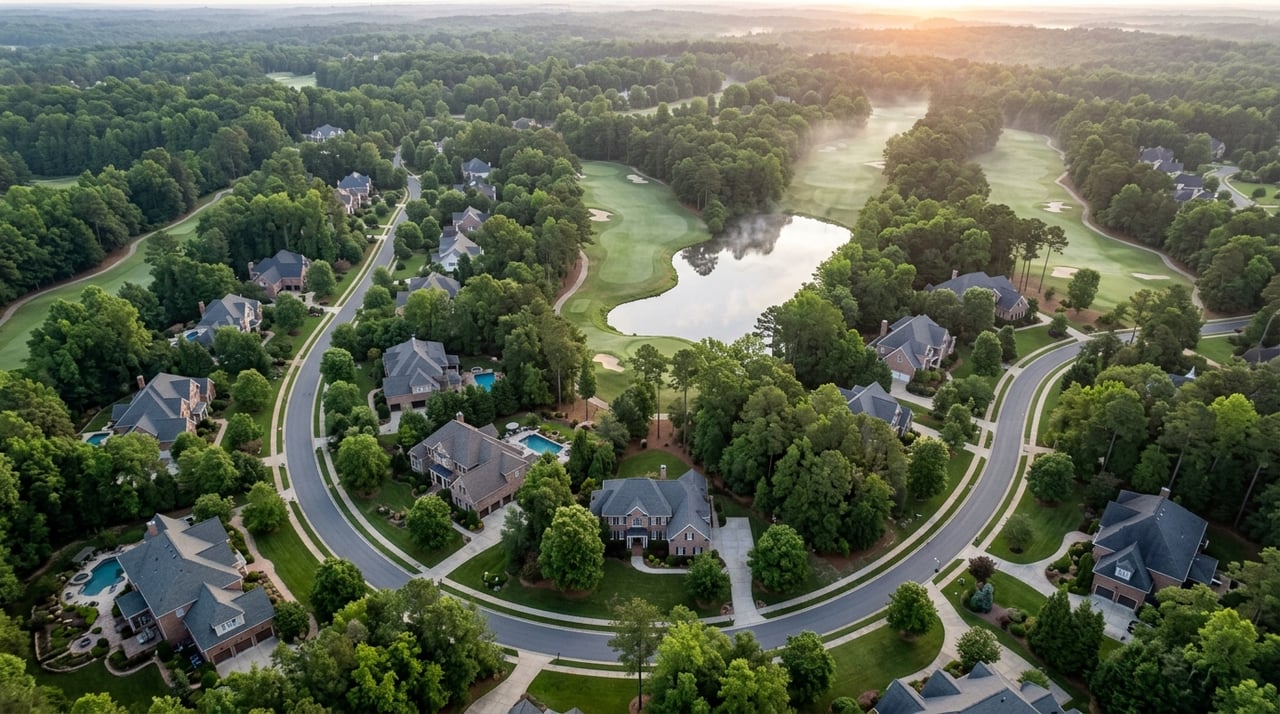
Wake County in mid-2026 is the most balanced it has been in years, and the numbers tell the story. July brought 5,040 active listings, the highest total ever recorded in the local dataset, along with 3.5 months of supply, which ties the all-time high. For context, a balanced market usually sits around five to six months of supply, so Wake County still tilts slightly toward sellers, just far less than it did during the frenzy. Homes took an average of 27 days to sell in July, the slowest July on record, and the median sale price was $485,000, down modestly from $490,000 in June. Price per square foot held steady at $224.
None of that signals a market in trouble. Closed sales in July came in at 1,557, the third-highest July on record, so buyers are active and homes are moving. New listings have actually slowed for three straight months, which means the fall could bring less fresh competition than a typical spring surge. That is the quiet argument for listing now.
Demand also varies by town, and that is where local reading matters. Cary and Apex continue to draw steady buyer interest for their schools and location near Research Triangle Park. Holly Springs and Fuquay-Varina still attract move-up families looking for newer homes and more space. Wake Forest, Garner, Knightdale, and Wendell remain strong entry points where well-prepared homes move quickly. Lisa walks through what sets these communities apart on her YouTube channel, where she covers the most sought-after Wake County suburbs (https://www.youtube.com/watch?v=wXvOLvK6OjE) in detail. A fall listing in the right town, priced correctly, does not need spring to sell.
Section 4: Common Mistakes
1. Waiting for spring out of habit. In a record-inventory market, spring often means more competing listings, not more buyers per home. The seasonal edge that existed a decade ago is much smaller in 2026 Wake County.
2. Timing the sale around a rate cut. Lower rates could bring more buyers, but they can also unlock more sellers, which adds supply. Betting your move on a forecast is a gamble, and rates were still in the high 6s in late August 2026.
3. Pricing off 2022 comps. The peak is over. Sellers who anchor to what a neighbor got three years ago tend to overprice, sit, and then cut, which nets less than a correct price would have from day one.
4. Skipping prep to "just get it listed." With buyers holding more leverage and 27 days as the average time to sell, condition and presentation decide whether a home draws offers or lingers.
5. Treating timing as a calendar rule instead of a personal calculation. The best month to sell is the one that fits your deadline, your price point, and your home. Lisa Quin builds that calculation for each seller rather than applying a one-size answer.
Section 5: Why Work With Lisa Quin
Timing a sale well takes someone who reads the local market weekly, not someone who repeats a national rule of thumb. Lisa Quin has done this in Wake County for more than 20 years. A Louisiana native who has called the Triangle home since the late 1980s, she raised her family in Cary and knows how demand shifts street by street across Raleigh, Apex, Holly Springs, and Fuquay-Varina. She is a member of the Raleigh Association of REALTORS Top Producers Council and the Women's Council of REALTORS, and clients tend to describe her less as a salesperson and more as an advisor who tells them the truth about their number.
That honesty is the point. Lisa Quin will tell a seller when waiting makes sense and when it quietly costs them. As she puts it, "Real estate often is about guiding people through complex situations." Sequencing a sale, especially when a purchase is tied to it, is exactly that kind of situation. One past client, kristycole16, wrote that Lisa "was essential in managing the timeline of the sale and purchase to best fit our circumstances," which is the heart of good timing work. You can read what past Wake County sellers say on lisaquin.com (https://www.lisaquin.com/testimonials), and see how she has explained the recent changes to agent compensation (https://www.youtube.com/watch?v=4VHiow9qax0) so sellers know what to expect before they sign.
Section 6: FAQ
Is fall a bad time to sell a home in Wake County?
No. Fall brings fewer buyers than spring, but those buyers tend to be more serious, and there is usually less competing inventory. With Wake County listings at a record high in 2026, a well-priced fall listing can stand out more than the same home would in a crowded spring.
Will home prices in Wake County go up by spring 2026?
No one can promise that. The median sale price eased slightly in mid-2026, and forecasters expect rates to stay in the high 6s into 2027. Waiting for a spring bump is a bet, not a plan, so it should be weighed against the carrying costs of holding the home longer.
How long does it take to sell a home in Wake County right now?
Homes averaged 27 days on market in July 2026, the slowest July on record but still under a month. Accurate pricing and good preparation are the biggest levers on how fast a specific home sells.
Should I wait for mortgage rates to drop before I list?
Not necessarily. A rate cut can bring out more buyers, but it can also bring out more sellers, adding to supply. If your reason for moving is real and time-sensitive, waiting on rates often costs more than it saves.
How much of my asking price will I actually get?
Wake County sellers received about 96.6% of their original list price and 98.7% of their most recent list price in July 2026. Homes priced correctly at launch tend to sell close to ask, while overpriced homes usually sell for less after a cut.
What matters more than the season when selling in 2026?
Your reason for moving, your price point, your home's condition, and a launch price built from recent local comps. Lisa Quin weighs all four before recommending a fall or spring listing.
Section 7: Call to Action
The honest answer to "list now or wait" is that it depends on your numbers, and those numbers are knowable. Before deciding, it helps to see a current market analysis for your specific home and neighborhood alongside a simple comparison of what a fall sale versus a spring one would likely net after carrying costs. That is a short, no-pressure conversation, and it turns a guess into a plan. Lisa Quin is glad to walk through it whenever the timing question is on your mind. You can reach Lisa Quin and the Quin Realty Group team at Compass through lisaquin.com (https://www.lisaquin.com/team) to talk through your options for Wake County.
Real Estate

Real Estate
Real Estate
Real Estate
With over 20 years of real estate experience in the Triangle area of NC, Quin Realty Group will give you a full-service experience in purchasing or selling your home! Consider us your personal home concierge!

201 FENTON GATEWAY DR CARY NC 27511